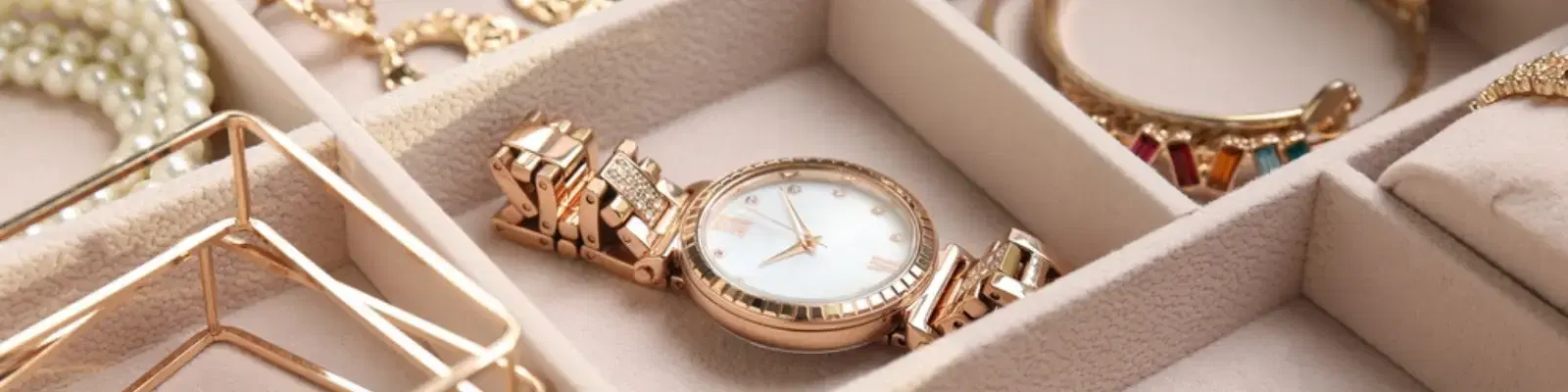

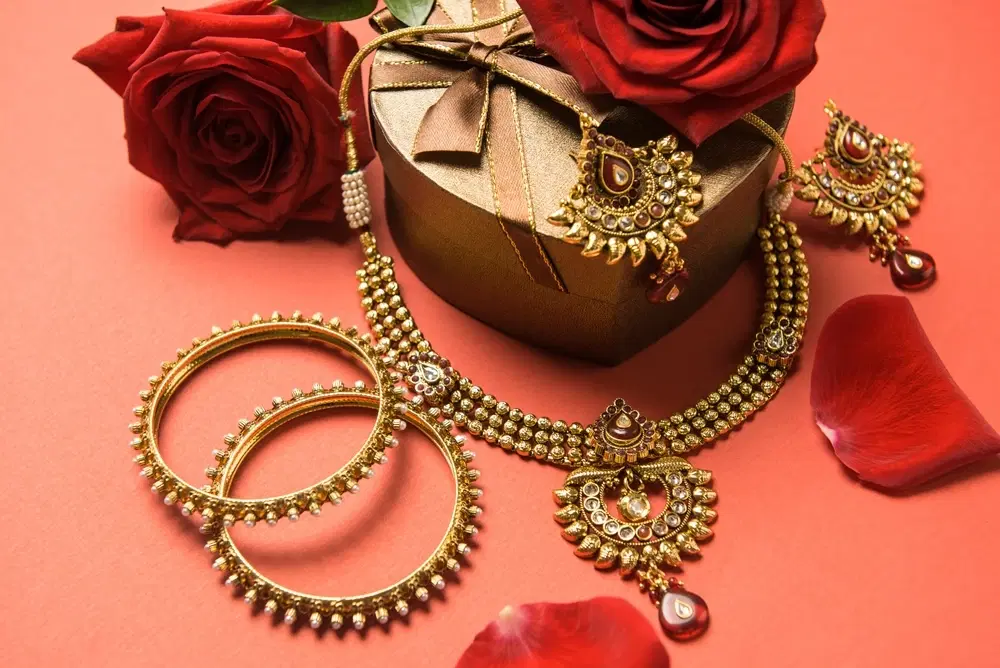
Gota Patti vs Handcrafted Jewelry: Which Shines Bright?
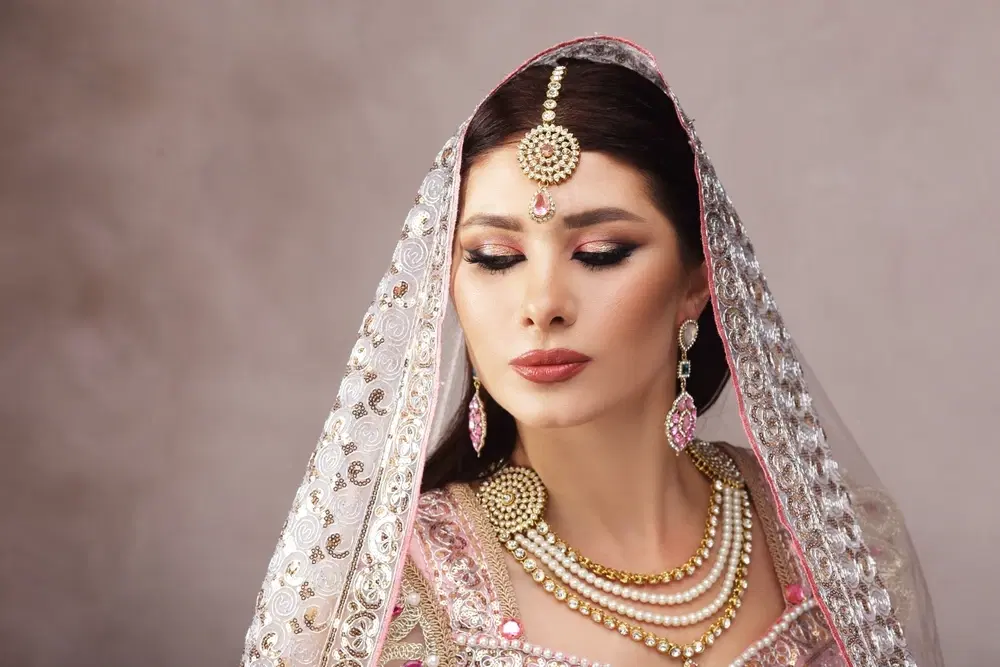
Gold vs Silver Maang Tikka: Which Style Suits You Best?
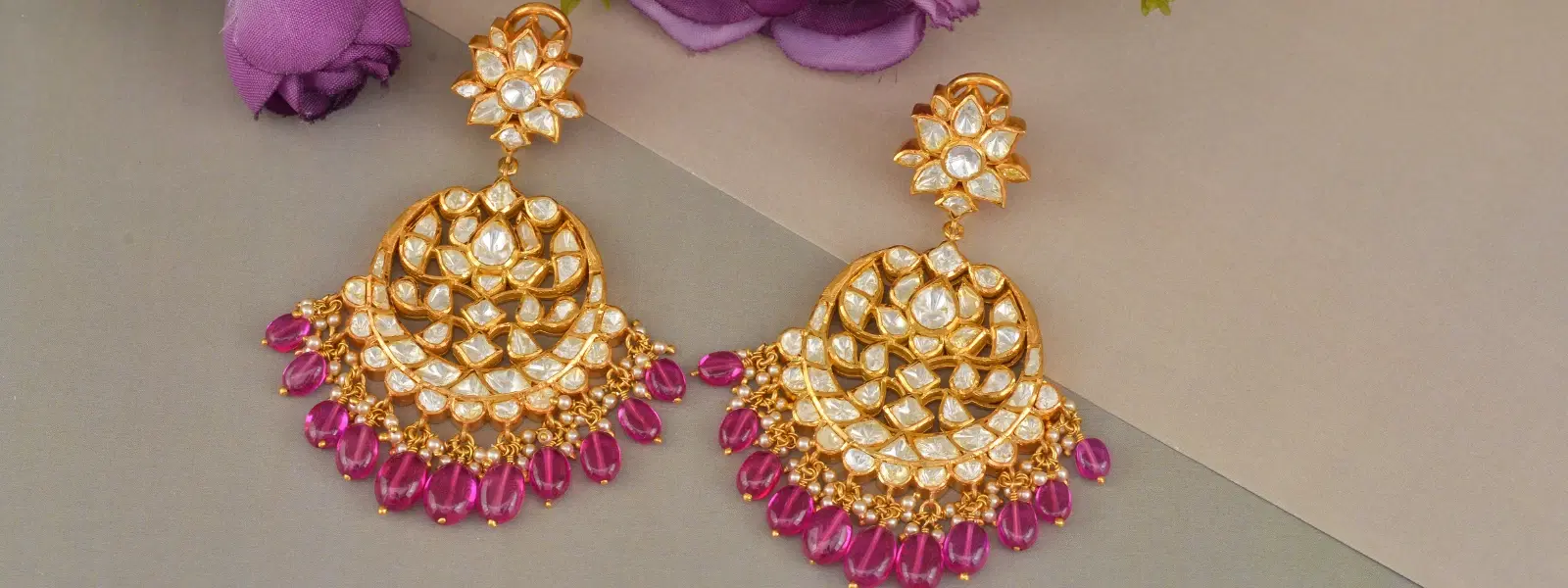
Terracotta Jewelry vs Handmade Designs: Key Differences
Meenakari vs Kundan: Comparing Traditional Jewelry Styles
Traditional vs Modern Navratri Jewelry: A Style Showdown
Gold vs Silver Anklets: Which Style Suits You Best?
Gota Patti and handcrafted jewelry are two enchanting forms of ethnic jewelry designs that celebrate Indian bridal and festive fashion. In this guide, we explore the unique characteristics, cultural roots, and functional benefits of gota patti jewelry compared to artisan-made handcrafted jewelry, helping you choose the accessory that best reflects your personal style and occasion needs.
Gota patti jewelry originates from the vibrant culture of Rajasthan in India. This traditional jewelry style is crafted using metallic lace combined with fabric, and frequently features intricate designs with colorful embellishments. Renowned as lightweight jewelry, these accessories are often chosen for their festive charm and appeal, making them a popular option during Haldi or Mehendi ceremonies. They are also considered ideal among those who favor affordable yet striking ethnic jewelry designs.
Popular materials: Gold or silver lace, silk, and cotton.
Common designs: Floral motifs, embroidered patterns, vibrant hues.
Cultural significance: Symbolic of celebratory events and traditional Indian attire.
Gota patti accessories are celebrated for their lightweight nature and ease of wear. They offer a festive vibe that is both budget-friendly and versatile. Designed to add a playful yet elegant touch, these pieces easily complement sarees, lehengas, and other ethnic wear. Their design and affordability make them a favorite among those who cherish traditional jewelry while looking for a cost-effective option.
Lightweight and Comfortable: Perfect for long days during festive events.
Affordable: Allows a wide range of style expression without a hefty price tag.
Versatile: Works well with diverse outfits, offering a bright, decorative accent.
Handcrafted jewelry is the result of meticulous artisan effort and showcases exceptional creativity. Often involving precious metals, gemstones, and refined detailing, these pieces are a staple in high-end Indian bridal jewelry. The artistry behind each piece is evident in the hand engraving, stone setting, and delicate filigree work, making every item unique and imbued with personal character.
Materials used: Gold, silver, diamonds, and semi-precious stones.
Techniques: Hand engraving, stone setting, filigree artistry.
Styles: Includes Kundan, Polki, Meenakari, and temple jewelry designs.
Handcrafted jewelry stands out for its durability and the possibility of customization. Each piece is built to offer longevity, making it an heirloom that can be passed down through generations. The elegance and attention to detail of customized jewelry not only enhance your overall look but also speak to a refined sense of style, fitting perfectly with luxurious, festive, or special occasion ensembles.
Customizable: Designs can be tailored to reflect personal tastes and unique style identities.
Durable: Crafted from high-quality materials for long-term wear.
Elegant: Adds a sophisticated touch to Indian bridal jewelry and festive attire.
When it comes to aesthetic appeal, both forms of jewelry carry their own signature style. Gota patti jewelry offers a playful and vibrant look that adds brightness to pre-wedding functions and casual festive gatherings. On the other hand, handcrafted jewelry exudes timeless elegance, making it perfect for grand wedding ceremonies and formal events. Each style allows you to express your self-identity in distinct yet beautiful ways.
Durability is another key factor when comparing these jewelry forms. Gota patti accessories, being delicately made with fabric and metallic lace, require extra care and careful storage to keep the embellishments intact. In contrast, handcrafted jewelry is designed to last with proper care, often becoming treasured heirlooms. Whether you are inclined towards lightweight festive jewelry or robust artisan jewelry, each form demands a different level of upkeep.
Gota patti jewelry is well-known for its affordability, making it an excellent choice for those who desire a stunning yet cost-effective accessory for festive events. Handcrafted jewelry, while a more luxurious investment, offers unmatched quality and the prestige of customizable design. The choice may ultimately depend on whether you lean towards a budget-friendly option or seek the enduring value of handcrafted and embellished jewelry.
If you are planning for semi-formal events such as Haldi, Mehendi, or casual festive gatherings, gota patti jewelry makes a perfect choice. Its lightweight design ensures comfort, and its vibrant patterns can brighten up your entire look. Those who appreciate traditional jewelry with a playful twist may find gota patti accessories to be a fitting addition to versatility in festive style.
For grand celebrations, including wedding ceremonies and elegant receptions, handcrafted jewelry offers a luxurious allure. These pieces are ideal for individuals who value customization and the enduring beauty of personalized designs. With a focus on timeless appeal and delicate craftsmanship, artisan jewelry not only elevates your look but also aligns beautifully with the principles of authentic and refined style.
Insight Corner: Did You Know? Gota Patti jewelry is often handcrafted by skilled artisans in Jaipur and Udaipur, making it a sustainable choice that supports local craftsmanship.
Gota patti jewelry is made using fabric and metallic lace, while handcrafted jewelry involves precious metals and gemstones with intricate artisan techniques.
Handcrafted jewelry is generally preferred for bridal looks because of its elegance and durability, although gota patti can create an eye-catching statement for pre-wedding celebrations.
Gota patti jewelry is less durable compared to handcrafted pieces and needs careful handling to maintain its delicate fabric and embellishments.
Yes, customization is possible with gota patti jewelry by adjusting colors, patterns, and designs to suit personal preferences.
Typically, handcrafted jewelry is more expensive due to the use of high-quality materials and detailed craftsmanship, presenting a worthwhile investment.
Both gota patti and handcrafted jewelry offer unique charm and elegance, each catering to different occasions and personal styles. Gota patti jewelry stands out for its lightweight, festive design and affordability, making it a delightful choice for celebratory functions. Alternatively, handcrafted jewelry impresses with its durability, refined craftsmanship, and customizable details that make every piece a statement of luxury. By understanding these differences, you can confidently choose the ideal accessory to express your style and feel authentically beautiful. Explore our diverse range in the watches-jewellery category to learn more about these curated treasures.
Maang tikka designs are a timeless accessory that adds an extra sparkle to traditional and modern looks alike. Whether you're preparing for a wedding or looking to enhance your festive ensemble, choosing between gold and silver maang tikka designs can feel like a delightful yet challenging process. In the following sections, we will explore the differences between gold and silver maang tikka styles in terms of aesthetic appeal, versatility, and budget considerations. By the end, you’ll know which design best suits your personality and outfit.
A maang tikka is a traditional piece of jewelry worn on the forehead. It stands as a symbol of cultural heritage and beauty. With its intricate designs, it can feature embellishments like kundan, pearls, and stone details. Popular styles include traditional maang tikka, bridal maang tikka, and antique maang tikka. With materials ranging from gold and silver to mixed alloys, these accessories serve as a subtle yet striking statement of self-expression.
Bridal maang tikka and kundan maang tikka designs often carry extensive cultural significance.
The accessory can incorporate elements such as pearl maang tikka and floral maang tikka motifs.
The maang tikka is deeply rooted in tradition, especially in weddings and ceremonial events. It represents the union and love shared in the celebration of new beginnings. Gold maang tikka is widely favored during weddings due to its luxurious appearance, while silver maang tikka provides a subtle elegance perfect for a range of occasions. This cultural piece not only enhances your look but also carries an emotional connection, making it a cherished accessory for many.
Gold maang tikka designs exude opulence and are perfect for those seeking a classic statement.
Silver maang tikka designs lend a modern touch with understated elegance.
Gold maang tikka designs are synonymous with luxury and tradition. These designs are carefully crafted with intricate patterns and are often embellished with gemstones, pearls, or the delicate art of kundan work. Whether opting for a minimalistic gold maang tikka or an antique maang tikka design, each piece is a work of art made to capture the essence of legacy. These designs are popular for their timeless charm, especially when paired with traditional bridal outfits such as silk sarees and lehengas.
Ideal for grand weddings and important ceremonial occasions.
Available in varied weights ranging from 2.5 grams to 5 grams.
Gold maang tikka designs bring a regal presence to any outfit. On the plus side, these accessories offer a sense of unparalleled elegance and are durable enough to be passed down through generations. However, with a higher price point, they might not always be suitable for modern, minimalist looks. They are best reserved for those special occasions when making a grand statement is desired.
Pros: Timeless appeal, complements traditional outfits, and retains value over time.
Cons: Higher cost and may not be ideal for everyday or modern fusion wear.
Silver maang tikka designs effortlessly blend traditional charm with a modern twist. Many designs incorporate stone studded maang tikka patterns and floral maang tikka motifs. These pieces are perfect for those who love a budget-friendly yet stylish accessory. Silver maang tikka designs are particularly favored by those attending casual events, family gatherings, or even looking to experiment with modern maang tikka designs.
Lightweight and comfortable for everyday wear.
Goes well with both traditional and contemporary outfits.
Silver maang tikka designs are known for their versatility and ease of pairing with various ensembles. The affordability of these designs makes them accessible to a wider audience. While they offer comfortable wear and a stylish look for casual events, they might not always deliver the grandeur needed for elaborate bridal appearances. Regular maintenance like polishing helps maintain their soft shine, ensuring they continue to look fresh.
Pros: Versatile, budget-friendly, and lightweight.
Cons: Less opulent for highly formal or bridal occasions, requires regular upkeep.
Gold maang tikka designs bring a sense of opulence and a heritage vibe, making them particularly suited for weddings and grand festivities. On the other hand, silver maang tikka designs emit a quieter, modern elegance. Their understated charm makes them suitable for both casual parties and semi-formal gatherings. The choice between the two is based on whether you prefer bold tradition or contemporary subtlety in your style statement.
The versatility of these accessories is distinct. Gold maang tikka designs are best paired with traditional outfits like silk sarees and heavily embroidered lehengas. For those venturing into modern or fusion wear, silver maang tikka designs work exceptionally well. With elements of pearl maang tikka or even stone studded maang tikka embellishments, silver options can effortlessly transition from day to night.
Gold appeals to classic tastes and formal settings.
Silver offers a blend of tradition and modern chic.
When comparing the costs, gold maang tikka designs tend to have a higher price range due to the intrinsic value of the metal and the intricate work involved. They are often seen as an investment piece, suitable for once-in-a-lifetime occasions. In contrast, silver maang tikka designs are more budget-friendly, making them an attractive option for regular wear and occasions that call for an elegant yet practical accessory.
Gold maang tikka prices vary based on weight and complexity.
Silver maang tikka delivers style without a heavy price tag.
Insight Corner: The Secret to Choosing the Perfect Maang Tikka
Did you know? The shape of your face plays a crucial role in selecting the ideal maang tikka design. For round faces, opt for long, dangling styles, while small and compact designs work best for oval-shaped faces. This thoughtful approach ensures that your accessory enhances your overall look effortlessly.
Gold maang tikka designs are best highlighted when paired with traditional bridal outfits such as silk sarees, lehengas, or form-fitting Anarkali suits. For an added regal touch, consider designs that incorporate kundan or antique maang tikka detailing. These elements elevate the overall look and resonate with the rich cultural heritage. The opulence of a gold accessory can transform an ensemble into a statement of timeless elegance.
Enhances traditional bridal and formal wear.
Works beautifully with vibrant, rich fabrics and embroidery.
Silver maang tikka designs are incredibly versatile. They pair wonderfully with modern or Indo-western outfits, making them a favored choice for cocktail parties and festive celebrations. Look for designs with pearl or stone studded elements when styling for a contemporary edge, or choose floral maang tikka motifs for a light, refreshing look. Silver pieces add a touch of delicacy and are perfect for bringing your everyday outfits to life with a stylish twist.
Complements modern and fusion outfits seamlessly.
Offers a subtle charm ideal for all-day wear.
Gold maang tikka designs are known for their luxurious and traditional appeal, while silver maang tikka designs offer a modern and versatile look.
Bridal maang tikka designs in gold, especially those featuring kundan or antique embellishments, are ideal for brides because of their opulent appeal.
Yes, silver maang tikka designs can be worn at weddings, particularly during pre-wedding events or by guests preferring a subtler accessory.
For traditional outfits like sarees and lehengas, a gold maang tikka works best, whereas silver maang tikka designs are more suited for modern or fusion wear.
Think about your outfit, the occasion, and your personal style. The details in gold or floral and modern designs in silver offer distinct aesthetics that can elevate your look.
Choosing between gold and silver maang tikka designs ultimately boils down to your personal taste, the occasion at hand, and your budget. Gold maang tikka exudes tradition and grandeur, making it ideal for bridal and formal events, while silver maang tikka offers a chic and versatile option perfect for modern themes and everyday elegance. Embrace your style as a form of self-expression by selecting the perfect piece that not only enhances your outfit but also celebrates your unique personality.
Terracotta jewelry and handmade designs represent two unique methods of artisan craftsmanship that celebrate self-expression and identity. This article explores these styles by examining the materials, techniques, and cultural stories behind them. Readers will discover the origins and eco-friendly benefits of terracotta jewelry, and compare it with the diverse world of handmade jewelry designs, helping them decide which style best fits their look and values.
Terracotta jewelry is crafted from natural clay that is baked and hardened, preserving its earthy texture and appeal. Known for its ethnic and traditional designs, these pieces often feature intricate hand-painted details and vibrant colors. With origins tracing back to ancient civilizations, this style is celebrated for its eco-friendly nature and artistic expression. Key features include being made from natural material, its boho and ethnic aesthetics, and its biodegradable composition.
This category includes a variety of jewelry such as necklaces, earrings, bangles, and chokers. Typical designs range from floral motifs to geometric patterns, inspired by traditional art and nature. Whether you favor a minimalist look or bolder statements, terracotta jewelry offers unique and traditional jewelry pieces that speak of heritage and sustainability.
Handmade jewelry is defined by its creative and artisan approach. Artisans use various materials including metals, fabrics, beads, and clay to create pieces that highlight individuality and creativity. This form often offers custom options, ensuring that each piece is a unique jewelry creation tailored to personal taste. Emphasizing craftsmanship, handmade jewelry can include boho jewelry designs as well as modern interpretations of ethnic jewelry, making it a versatile accessory choice.
The realm of handmade jewelry is vast, incorporating designs ranging from fabric jewelry to intricate clay jewelry designs. Every piece reflects the distinct skill and creative zeal of the artisan. Whether it is a subtle piece of traditional jewelry or a statement piece that bridges ethnic and modern trends, handmade designs offer a rich variety of custom jewelry options that allow wearers to express their personality.
When it comes to ingredients, terracotta jewelry exclusively uses natural clay, ensuring an eco-friendly production process. Its use of a single, sustainable material places it firmly in the natural material jewelry category. In contrast, handmade jewelry is crafted from a diverse array of elements, such as metals, fabrics, beads, and occasionally clay. This broader material palette offers versatility, though not every handmade piece aligns with eco-friendly practices. This contrast exemplifies the differences between traditional jewelry and modern artisan approaches.
The artistry behind terracotta jewelry involves molding, baking, and detailed hand-painting. These techniques highlight the deep connection to tradition and sustainability. On the other hand, handmade jewelry may involve methods like metal forging, bead weaving, or fabric stitching. These techniques emphasize the versatility and skill of artisans, offering everything from craft-forward ethnic jewelry to innovative boho jewelry styles that merge old traditions with contemporary design.
Terracotta jewelry is celebrated for its deep cultural roots and traditional motifs. These pieces often mirror the rich heritage of artisanal craftsmanship, making them a popular choice for those who appreciate traditional jewelry. Handmade designs, in contrast, offer a seamless blend of ethnic and modern elements, catering to diverse fashion sensibilities from classic looks to more avant-garde, custom jewelry pieces. This mix makes handmade jewelry ideal for a variety of occasions and personal styles.
The boho appeal of terracotta jewelry makes it a go-to for casual ethnic wear. Its earthy tones and natural patterns lend a relaxed yet sophisticated vibe to any outfit. Handmade jewelry brings even more variety, ranging from ultra-boho to sleek modern designs, allowing wearers to experiment with different looks. Whether your style leans toward the traditional or desires a modern twist, artisan jewelry in both categories offers an inspiring choice.
One of the most attractive features of terracotta jewelry is its sustainability. The use of biodegradable clay and natural processes ensures that these pieces remain eco-friendly. This natural material jewelry aligns perfectly with ethical fashion values for those looking to reduce environmental impacts without compromising style. The craft not only delivers beauty but also reflects a commitment to sustainability, a key value in responsible fashion.
Handmade jewelry can also embody eco-friendly practices when sustainable materials are prioritized. Pieces using recycled metals, natural fabrics, or clay resonate with consumers seeking environmentally responsible trends. However, the sustainability of handmade designs depends on the materials selected and the artisan methods employed. This range means that while some handmade pieces are at the forefront of eco-friendly jewelry, others offer more creative freedom with a mix of modern elements.
Insight Corner: The Art Behind Terracotta Jewelry
Terracotta jewelry is not just a fashion statement; it is an embodiment of ancient craftsmanship. Did you know that terracotta jewelry-making dates back to the Indus Valley Civilization, where artisans employed techniques similar to those used today? The continuity of these practices adds an extra layer of depth and authenticity to each piece.
Terracotta jewelry is made exclusively from natural clay, focusing on traditional and eco-friendly designs, while handmade jewelry encompasses a broader range of materials and styles, including custom and modern options.
Yes, when properly baked and maintained, terracotta jewelry is durable. It does require careful handling due to its unique clay composition.
Yes, handmade jewelry can be eco-friendly if sustainable materials such as recycled metals, natural fabrics, or clay are used in the crafting process.
Terracotta jewelry is ideal for ethnic wear with its traditional motifs and natural shades. Handmade designs also work well with ethnic outfits, offering a mix of traditional and custom elements.
While terracotta jewelry can feature unique hand-painted designs, handmade jewelry generally provides greater customization options due to the variety of materials and techniques available.
In summary, both terracotta jewelry and handmade designs offer distinct charms. Terracotta jewelry shines with its traditional, eco-friendly appeal and historic roots, while handmade designs captivate with their diversity, creativity, and custom possibilities. Understanding these differences helps in selecting jewelry that resonates with your personal style and commitment to sustainable fashion. Each style is a testament to the enduring beauty of artisan craftsmanship, perfectly reflecting the evolving landscape of fashion as self-expression and identity.
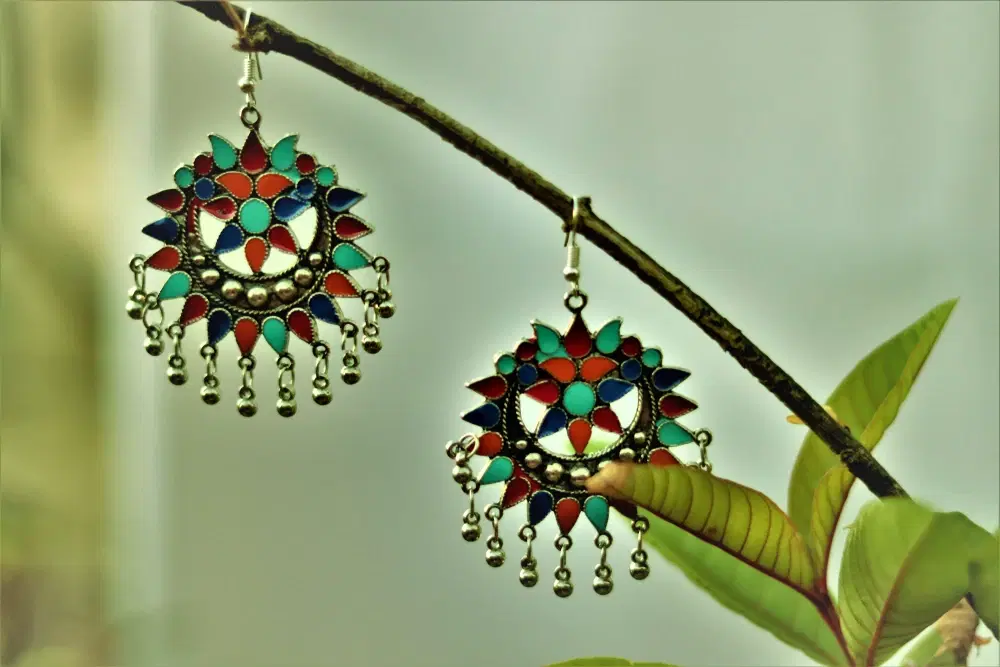
Traditional Indian jewelry has a story to tell, blending delicate artistry with deep cultural roots. Meenakari jewelry and Kundan jewelry each carry a unique charm, offering a peek into the rich legacy of handcrafted jewelry designs. In this piece, we explore the origins, techniques, and aesthetics of these heritage jewelry styles to help you appreciate their distinct beauty and choose the perfect piece for different occasions.
Meenakari jewelry finds its origin in the Mughal era, when skilled artisans began perfecting enamel jewelry techniques. This art form soon flourished, especially in the vibrant state of Rajasthan, where the craft was honed to create bold and colorful designs. Often linked to luxury ethnic jewelry, Meenakari pieces adorn festive celebrations, weddings, and cultural events. The process of infusing vibrant enamels onto metal bases brings both an artistic flair and durability to these authentic Indian ornaments.
Key features: Enamel work on gold, silver, or copper bases with bold, colorful designs.
Cultural significance: Deeply rooted in royal heritage and tradition.
Popular pieces: Necklaces, earrings, bangles, and choker sets crafted with artful detail.
Kundan jewelry also traces its heritage to the Mughal era. Renowned for its use of uncut gemstones set in gold foil, this style emphasizes the natural sparkle of precious gemstone jewelry. Kundan jewelry is celebrated for its refined and subtle beauty that appeals to those seeking a blend of tradition and contemporary elegance. It has become a staple for bridal accessories and heritage-themed ensembles, symbolizing the timeless charm of artisanal jewelry craftsmanship.
Key features: Uncut gemstones delicately embedded in gold foil with impeccable settings.
Cultural significance: A cherished art form often associated with bridal wear and ceremonial elegance.
Popular pieces: Necklaces, maang tikka sets, and exquisite bridal jewelry.
Meenakari jewelry is a testament to meticulous craftsmanship where enamel is fused to a metal base. This process involves layering colors and intricate patterns, demanding great precision from the artisan. Gold Meenakari designs are highly valued not only for their vibrant appeal but also for their durability. The skillful application of enamel results in bold, vivid pieces that capture the eye and celebrate traditional Indian jewelry techniques.
Process: Enamel is applied and fired on metal bases to achieve a glittering finish.
Materials: Preference for gold in many designs underscores both luxury and longevity.
Challenges: Consistency in color and intricate detailing require top-notch expertise, which is the hallmark of artisanal jewelry craftsmanship.
In contrast, Kundan jewelry showcases the beauty of uncut stones against a glistening gold background. The art of setting gemstones in gold foil is an intricate process that enhances the natural allure of each gem. This technique allows for customized jewelry pieces that reflect personal style while maintaining a tradition of understated elegance. The delicate work in securing gemstones ensures that each Kundan piece is a fine example of timeless luxury ethnic jewelry.
Process: Gemstones are delicately placed and secured in gold foil using lac and precise settings.
Materials: Utilizes precious gemstones and quality gold to enhance beauty and solidity.
Challenges: The balance between secure settings and maintaining a refined look is a specialty that defines the artisan's skill.
Meenakari jewelry stands out with its bold and vibrant patterns. These pieces often feature elaborate floral motifs, geometric designs, and bright hues, making them ideal for eye-catching statement pieces at festive events. With every brushstroke of enamel, a story unfolds that celebrates cultural heritage and self-expression. Whether as a pair of earrings or a delicate pendant set, these designs bring energy and artistic flair to any ensemble.
Popular pieces: Earrings, bangles, and pendants that serve as conversation starters.
Style: Energetic, intricate, and boldly colorful.
Best suited for: Festivals, weddings, and lively cultural occasions where traditional Indian jewelry makes a statement.
Kundan jewelry, on the other hand, embraces a softer and more refined aesthetic. The focus is on highlighting the natural allure of each gemstone, set within minimalistic yet elegant gold settings. This design philosophy imparts a timeless class that fits seamlessly into bridal wear and formal events. When you choose Kundan jewelry, you are opting for subtle sophistication that remains versatile and chic across generations.
Popular pieces: Necklaces, bridal sets, and maang tikka that embody understated elegance.
Style: Simple, refined, and eternally graceful.
Best suited for: Weddings, formal events, and settings where soulful tradition meets modern grace.
While Meenakari jewelry dazzles with its vibrant enamel, it does require mindful care to preserve its intricate designs. Exposure to moisture and chemicals can dull the enamel finish. With regular care, however, these stunning pieces can last for generations. Storing them properly and avoiding harsh products ensures that your enamel jewelry remains a cherished part of your collection.
Maintenance tips: Store in a cool, dry place and avoid contact with water or perfumes.
Investment value: Gold meenakari designs hold lasting value due to exceptional craftsmanship and quality materials.
Kundan jewelry combines durability with timeless style. Although relatively sturdy, it is best maintained with periodic cleaning and professional check-ups to keep gemstone settings secure. The enduring quality of Kundan jewelry as well as its elegance justifies its status as a treasured accessory in any collection, especially since these pieces can be customized to reflect a personal touch.
Maintenance tips: Gently clean with a soft cloth and schedule regular professional servicing.
Investment value: The fine materials of precious gemstone jewelry and gold mean each piece is a lasting asset.
Insight Corner: Did You Know? The Royal Connection
During the Mughal era, both Meenakari and Kundan jewelry were beloved by Indian royalty. Meenakari pieces graced palaces and festive attire, while Kundan jewelry was prized for royal weddings and celebrations. This noble legacy continues to influence today's handcrafted jewelry designs, linking heritage with contemporary luxury ethnic jewelry.
Selecting the ideal piece from these traditional jewelry styles depends on various personal and practical factors. For vibrant and festive occasions, Meenakari jewelry with its bold enamel work can add a pop of color and cultural history to your look. If you prefer subtle elegance and timeless charm, Kundan jewelry with its natural gemstone allure is an excellent choice. Consider the occasion, your personal style, and your budget while making your decision.
Occasion: Meenakari suits vibrant events; Kundan elevates formal or bridal looks.
Personal style: Bold, eye-catching designs versus subtle, refined elegance.
Budget: Both options offer pieces across a range of price points, with customization possibilities that yield authentic Indian ornaments tailored to your taste.
Both jewelry techniques offer ample opportunity for customization. Whether you lean towards gold meenakari designs or personalized Kundan settings, artisans can create customized jewelry pieces that reflect your unique identity. This flexibility ensures that every piece is not only a part of India’s rich cultural fabric but also a personal statement of style and sophistication.
Meenakari jewelry is renowned for its intricate enamel work, while Kundan jewelry highlights uncut gemstones elegantly set in gold foil.
Both are durable if handled with care, though Meenakari jewelry requires extra caution to maintain its enamel finish.
Yes, blending both styles can create a stunning aesthetic for traditional occasions when styled thoughtfully.
Absolutely, gold meenakari designs are popular for their elegance and lasting appeal.
Simply clean with a soft cloth and have the settings inspected periodically by a professional.
Both Meenakari and Kundan jewelry beautifully encapsulate the tradition of handcrafted jewelry designs. While Meenakari captivates with vivid enamel artistry, Kundan enchants with its subtle gemstone elegance. Understanding their origins, techniques, and care tips can help you choose a piece that not only complements your style but also celebrates the rich legacy of traditional Indian jewelry. Embrace these heritage jewelry styles as a reflection of your personal story and identity.
Navratri is a festival that brings together tradition, vibrancy, and cultural heritage. In this blog post, we compare the charm of traditional Navratri jewelry with the flair of modern designs. Readers will learn about the key features of each style, uncover styling tips, and discover how to choose the best festive jewelry for Navratri to express their unique personality.
Navratri is a celebration of dance, devotion, and cultural heritage. Jewelry has always played an essential role in completing festive attire. From intricate designs steeped in tradition to contemporary pieces with a modern twist, navratri jewelry enhances ethnic outfits during Garba and Dandiya nights. These accessories are a reflection of regional craftsmanship and personal expression. Whether you lean towards traditional Navratri jewelry or modern interpretations, each piece carries a story and a vibrant spark.
Jewelry enhances traditional outfits during festive nights.
It showcases regional craftsmanship and artistry.
Modern designs offer a fresh perspective while honoring heritage.
Over time, artisans and designers have curated exclusive Navratri jewelry collections that include everything from ethnic jewelry for Navratri to modern festive accessories. These collections present a versatile range of navratri jewelry designs that can be paired with various outfits. The variety includes Navratri necklaces, earrings, bracelets for Navratri, bangles, and even full Navratri jewelry sets. Such collections cater to both traditional tastes and contemporary trends, allowing individuals to blend heritage with modern flair.
Popular categories include Navratri necklaces, earrings, and bracelets for Navratri.
Growing demand for oxidized and handmade pieces is evident in many festive jewelry for Navratri collections.
Designs offer versatility to suit a range of outfits from sarees to indo-western dresses.
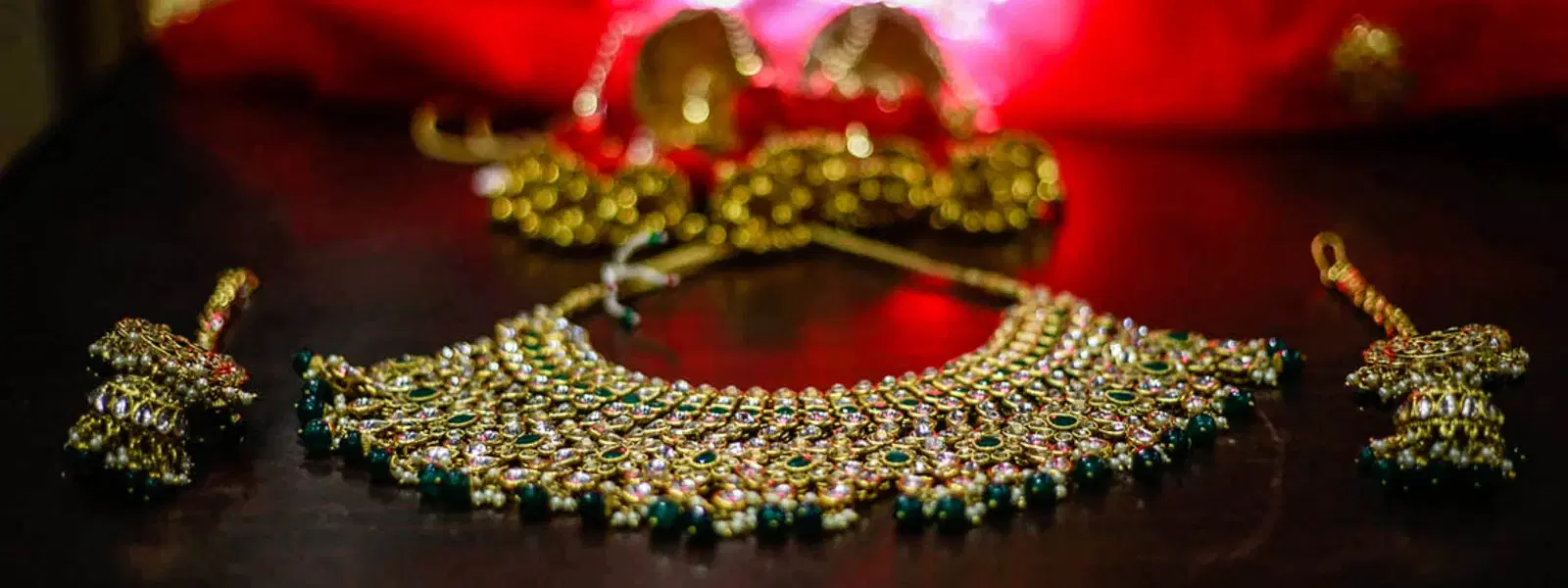
Traditional Navratri jewelry is a testimony to cultural heritage and impeccable craftsmanship. These pieces are designed to complement ethnic outfits such as lehengas and sarees. Crafted from materials like gold, silver, kundan, and polki, traditional designs often feature intricate patterns drawn from nature, mythology, and tribal art. Popular pieces such as Navratri necklaces and maang tikka serve as timeless symbols of festivity and elegance.
Materials include gold, silver, kundan, and polki.
Designs draw inspiration from nature, mythology, and tribal art.
Popular items are maang tikka, navratna necklaces, and crafted bangles.
When it comes to styling traditional Navratri jewelry, coordination is key. Matching sets like Navratri jewelry sets create a cohesive look that is perfect for intense Garba nights or festive gatherings. Incorporating bold oxidized jewelry for Navratri can add that much-needed contrast to vibrant costumes. By choosing statement pieces, such as a striking navratna necklace, you can subtly elevate an otherwise simple ethnic ensemble and make a lasting impression.
Opt for matching sets to ensure a harmonious look.
Use oxidized jewelry to create vibrant contrasts with your outfit.
Consider statement pieces to uplift simple ensembles.
Modern Navratri jewelry caters to the contemporary spirit of experimentation while still honoring the festival's essence. Crafted using lightweight metals, acrylic, and semi-precious stones, modern pieces offer minimalist and geometric designs that provide a refreshing twist on traditional elements. These navratri jewelry designs are perfect for those who wish to experiment with fusion styles and prefer a less ornate yet stylish accessory, ensuring comfort without compromising on style.
Modern pieces use lightweight metals, acrylic, and semi-precious stones.
Designs are minimalist, geometric, and often fuse traditional motifs with modern aesthetics.
Popular modern pieces include choker necklaces, statement earrings, and trendy bracelets for Navratri.
The modern approach to festive fashion is all about versatility and layering. Pair a bold statement earring with a pastel lehenga for a refined yet contemporary look. Experimenting with mix-and-match jewelry can also work to your advantage, especially when combining bracelets for Navratri with contemporary indo-western outfits. Layering necklaces not only adds depth to your overall look but also allows you to embrace the festival in a fresh, innovative way.
Mix and match accessories to create dynamic looks.
Layer necklaces to add visual interest and depth.
Combine modern pieces with ethnic ensembles for a fusion effect.
When deciding between traditional and modern Navratri jewelry, it's important to consider the unique characteristics that each style brings. Traditional pieces are often seen as heirloom-quality items, crafted from precious metals and featuring ornate detailed designs. In contrast, modern pieces favor a minimalist and trendy look, perfect for those who love a lightweight, contemporary accessory. The decision largely depends on the venue, personal lifestyle, and the specific festive outfit being worn.
Feature | Traditional Jewelry | Modern Jewelry |
|---|---|---|
Materials | Gold, silver, kundan, polki, oxidized metals | Lightweight metals, acrylic, semi-precious stones |
Design Style | Intricate, cultural, tribal-inspired | Minimalist, geometric, fusion |
Outfit Compatibility | Ethnic outfits like lehengas and sarees | Indo-western and contemporary attire |
Durability | Heritage quality, long-lasting | Trendy and lightweight |
Choosing between traditional and modern navratri jewelry depends on various factors. Consider the occasion first; a lively Garba night may call for bold traditional pieces, whereas a daytime function might inspire you to lean towards modern designs. Personal style is also crucial—those who cherish heritage may prefer ethnic jewelry for Navratri, while fashion-forward trendsetters might choose modern, fusion pieces. Additionally, consider comfort as modern jewelry is often designed to be lightweight and easy on long festive nights.
For festive nights, traditional designs add a dramatic flair.
For casual outings, modern pieces offer versatility and ease.
Your personal style and comfort should guide your choice.
Insight Corner: "The Perfect Blend of Tradition and Modernity"
Did you know that many designers now incorporate traditional motifs into modern jewelry designs? This fusion approach lets you celebrate Navratri with a unique twist, blending heritage with a contemporary edge to create personalized and trendy festive jewelry for Navratri.
Accessories play a defining role in how you present your Navratri look. Beyond just necklaces and earrings, consider the range of Navratri accessories available. Bangles, including oxidized versions or those inspired by tribal art, add a rhythmic charm to your ensemble. A classic maang tikka infuses elegance, while bracelets for Navratri can complement both heavy traditional attire and lighter modern outfits. These curated pieces ensure every festive look is both complete and captivating.
Bangles that offer a mix of ethnic and modern vibes.
A maang tikka for an elegant finishing touch.
Bracelets that allow you to experiment with different looks.
Creating a balanced Navratri look often involves mixing traditional and modern accessories. For example, pairing a traditional navratna necklace with modern earrings offers a striking contrast that feels fresh and innovative. Layering bracelets for Navratri alongside ethnic bangles adds depth and nuance to your style. Experimenting with these combinations allows you to enjoy the best of both worlds, reflecting your personality as a blend of tradition and modernity.
Combine traditional and modern pieces to express versatile style.
Experiment with layering for a multi-dimensional look.
Let your unique personality guide your festive accessory choices.
Traditional Navratri jewelry is typically made of gold, silver, kundan, polki, and oxidized metals.
Yes, blending traditional and modern pieces can create a unique and stylish look for Navratri.
Popular designs include tribal-inspired patterns, navratna necklaces, choker sets, and oxidized jewelry for Navratri.
Modern jewelry is often lightweight and trendy but may not be as durable as traditional heirloom pieces.
Consider your outfit, comfort, and personal style when selecting a Navratri jewelry set.
Navratri jewelry is essential in capturing the festive spirit and letting your style speak. Whether you are drawn to the timeless charm of traditional pieces or the fresh vibe of modern designs, understanding the differences and styling tips can elevate your festival look. With both traditional and modern options, you have the freedom to choose pieces that not only complete your outfit but also become a part of your personal story of celebration.
Anklet bracelets are a unique way to express your personality and style. These elegant pieces of anklet jewelry have been embraced for centuries and continue to be a favorite accessory in modern fashion. In this post, we explore the charm of both gold and silver anklets. We delve into their unique qualities and help you choose the perfect anklet design that matches your look and lifestyle.
Anklets are celebrated across cultures for their beauty, femininity, and even spiritual symbolism. They come in many forms, from delicate anklets to bold charm anklets, making them a versatile statement piece that can complete any outfit. Today, modern anklet designs mix tradition with contemporary trends, allowing everyone to find a style that suits them, including fashion anklets with an ankle chain feel that adds a playful twist.
There is a range of designs available for every personality and style preference. Here are some popular options:
Gold Anklets: Known for their luxurious appeal and lasting shine, these pieces are perfect for those seeking sophistication.
Silver Anklets: With an understated charm, they offer versatility for both daily wear and special occasions.
Beaded Anklets: Fun and playful, beaded anklets bring a bohemian vibe.
Charm Anklets: These pieces can be personalized with unique charms, making them ideal for personal expression.
Adjustable Anklets: Designed for all sizes, these anklet designs ensure a perfect fit regardless of your ankle's size.
Gold anklets are synonymous with opulence and glamour. They provide a rich look that works beautifully for formal events or special occasions. Often available in varying purities, gold anklets offer a blend of quality and style. Their resistance to tarnishing means your piece can remain dazzling for years, making them an enduring investment in your jewelry collection.
Gold anklets can elevate your look effortlessly. They pair exceptionally well with evening gowns or traditional ethnic wear. For a cohesive style, match them with other gold pieces such as delicate anklets, bracelets, or earrings. Simple yet elegant designs enhance your ensemble without overwhelming your natural style, keeping your look classy and refined.
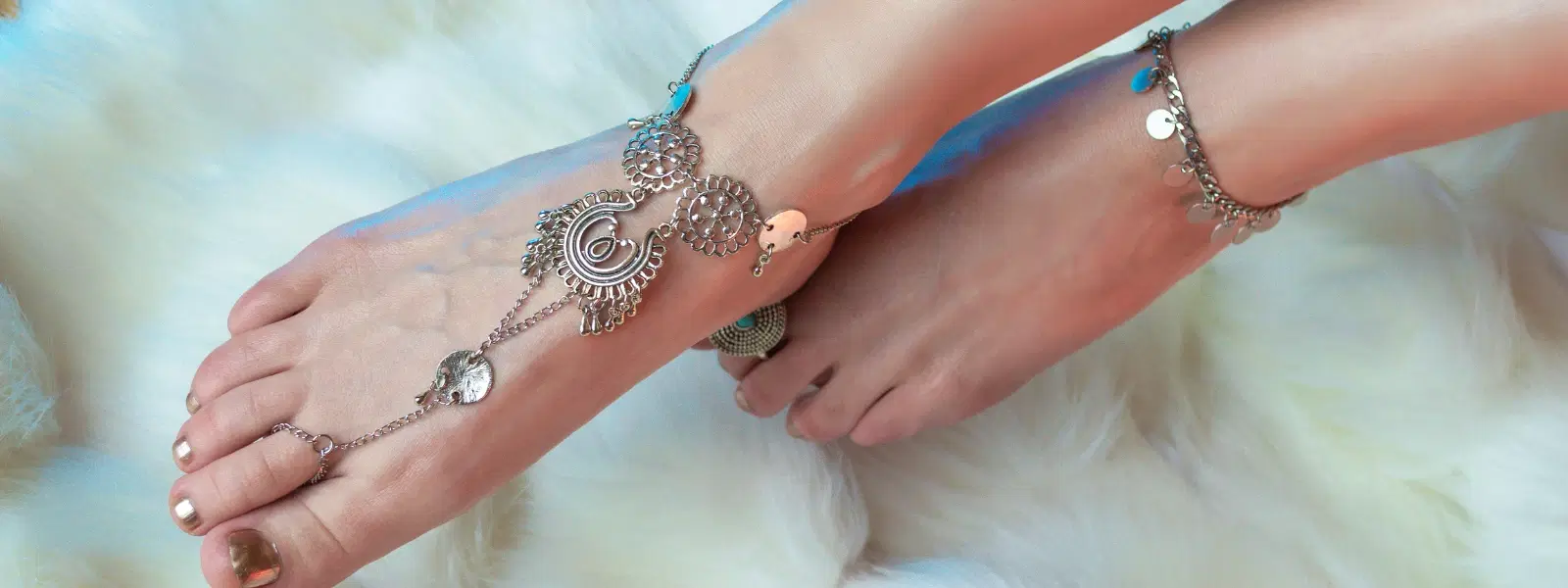
Silver anklets offer a fantastic mix of elegance and practicality. Known for their versatility, they blend well with both casual and formal looks. Sterling silver anklets are durable, affordable, and perfect for everyday wear. The neutral tone of silver anklets makes them ideal for layering with other jewelry, adding depth and style without compromising on simplicity.
For a relaxed, laid-back feel, silver anklets look stunning with summer dresses or beachwear. They can easily be layered with beaded anklets or charm anklets to produce an enchanting mix. Intricate designs with gemstone accents or dangling charms add a unique twist. With these options, silver anklets can become the versatile accessory in your jewelry collection that adapts to every occasion.
Gold anklets are prized for their durability and resistance to tarnish, although they may require a higher upfront investment. In contrast, silver anklets offer a more budget-friendly option, even though they might need occasional polishing to maintain their classic shine.
Gold anklets exude luxury and are often chosen for formal occasions, while silver anklets are celebrated for their adaptability in both casual and professional settings. The choice between these styles should consider the event and overall look you wish to achieve.
The decision may also depend on your skin tone, as gold anklets tend to enhance warmer skin tones by adding a radiant glow. Meanwhile, silver anklets flatter cooler skin tones, providing a balanced and harmonious look that complements your natural features.
Gold anklets are known for needing minimal upkeep, helping retain their value over time, while silver anklets often require regular cleaning to ensure they stay as brilliant as ever. This maintenance factor can influence your choice based on your lifestyle and preferences.
Selecting the right anklet involves considering the occasion, your budget, and personal style. For weddings or festive events, many opt for gold anklets that signify luxury. For everyday or casual wear, silver anklets provide both style and practicality. Your style may lean towards delicate anklets if you prefer minimalist trends, or you may enjoy charm anklets if you like unique, personalized pieces. Even beaded anklets, with their bohemian charm, present an exciting, spirited alternative.
Expert Tip: Did You Know? Coordinating your anklet with your existing jewelry, like bracelets or necklaces, creates a cohesive and polished look. For instance, pairing a gold anklet with a matching gold chain or a silver anklet with delicate sterling silver earrings can elevate your style seamlessly.
Gold anklets are more resistant to tarnishing, while silver anklets may require occasional polishing to keep their shine.
Yes, silver anklets with intricate designs or gemstone accents can be styled for formal events and offer understated elegance.
Gold anklets, especially those with minimal and lightweight designs, can be worn daily though they are often chosen for special occasions due to their luxurious appeal.
Gold anklets pair well with warmer skin tones, while silver anklets are ideal for cooler skin tones. Experimenting with mixed-metal designs can also create a balanced look.
You can choose from a range including fashion anklets, delicate anklets, charm anklets, beaded anklets, and adjustable anklets, ensuring there is something for every style preference.
Gold and silver anklets each offer their own unique charm in the realm of anklet bracelets. Gold anklets are synonymous with luxury and timeless elegance, ideal for special events, while silver anklets provide versatile style and accessibility for everyday wear. Your choice should depend on your personal style, the occasion, and your budget. Whether you are drawn to delicate anklets, charm anklets, or beaded anklets, understanding the differences between these materials can help guide you in expressing your individuality through fashion. Explore the wide range of options available and let your anklet be a reflection of your unique style.
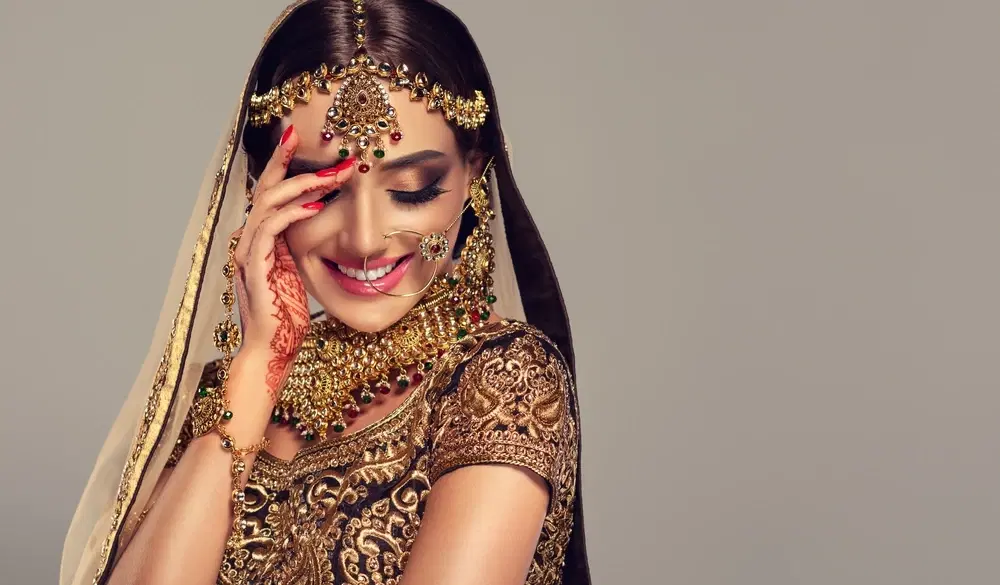
Gujarati jewelry holds a unique charm. It is a celebration of culture. This article compares Gujarati jewelry with other traditional designs. By reading on, you'll learn about the history, symbolism, and modern adaptations of these exquisite pieces. Our discussion covers detailed insights into Gujarati bridal jewelry, handcrafted ornaments, gold and silver designs, and antique treasures that showcase the rich heritage of this style.
Gujarati jewelry has a rich history dating back centuries. Crafted with the hands of skilled artisans, each piece tells a story of artistry and tradition. Techniques like Kundan and Jadtar bring intricate gold filigree and gemstone settings to life. Many designs incorporate motifs inspired by nature, such as floral forms and peacock patterns. These elements symbolize prosperity and beauty while reflecting the legacy of Gujarati craftsmanship.
Beyond mere adornment, Gujarati jewelry is imbued with cultural and spiritual meaning. Specific pieces like the Patla bangles and Hansuli necklaces are an integral part of festivals and weddings, symbolizing blessings and protection. The iconic Gujarati bridal jewelry, including the Kandora waist belt and Mathapatti headpiece, holds deep significance during wedding rituals. These designs convey an auspicious beginning and mark the beauty of marital bonds.
Artisans bring the spirit of tradition to life with every handcrafted piece. In Gujarati jewelry, techniques like Meenakari and Jadtar are used to create elaborate patterns that require exceptional skill and time. This contrasts with other regional designs that often focus on heavy gold work or temple motifs. The uniqueness of handcrafted Gujarati ornaments lies in their delicate execution and detailed craftsmanship, making each accessory a standout piece of art.
Gujarati gold jewelry designs are distinguished by their lightweight nature and detailed work. These pieces are often chosen for weddings and festive events for their elegance and comfort. In contrast, silver Gujarati jewelry offers a rustic charm with oxidized finishes and tribal motifs. While gold pieces such as those found in Gujarati bridal jewelry are celebrated for their opulence, silver items like anklets and toe rings are adored for their versatile and affordable appeal.
Gujarati bridal jewelry is celebrated for its intricate details and unique elements. Traditional pieces like the Borla, a round-shaped maang tikka, and the Rakhdi, a cherished forehead ornament, are distinct to Gujarati brides. Compared to other regional bridal styles, such as South Indian temple jewelry or Marathi designs with Thushi necklaces, Gujarati pieces emphasize symbolism intertwined with decorative artistry. Each piece is designed to complement the wedding ceremony's importance and the personal expression of style.
Custom Gujarati jewelry has become a popular choice for modern brides. Tailoring pieces to personal taste allows these handcrafted ornaments to tell a unique story. Whether it is incorporating family heirlooms or adding modern twists to antique Gujarati jewelry, custom designs provide a harmonious blend of tradition and individual uniqueness. This trend is markedly different from standardized regional bridal collections and empowers brides to express their identity with personalized artistry.
Though rooted in tradition, contemporary Gujarati jewelry has evolved to suit modern lifestyles. Today, designers offer Gujarati jewelry sets that include minimalistic options for everyday wear. These pieces often combine heritage motifs with a modern aesthetic and the use of diamonds or colored gemstones. Such adaptations make it easy to integrate style with practicality, helping each individual celebrate culture while staying fashion-forward.
The advent of online platforms has broadened access to authentic pieces of Gujarati jewelry. Now, customers can explore a range of offerings, including handcrafted Gujarati ornaments, antique Gujarati jewelry, and even custom Gujarati jewelry made to order. This accessibility contrasts with the traditional method of buying jewelry directly from local artisans, making it convenient for a global audience to connect with the rich legacy of this art form.
Insight Corner: The Unique Appeal of Gujarati Jewelry
Did you know that Gujarati jewelry often features protective elements like Tabiz amulets? These unique inclusions, integrated into necklaces and bracelets, are believed to ward off negative energy. They infuse the jewelry with not just beauty, but spiritual significance as well, merging aesthetics with age-old beliefs.
Gujarati jewelry is distinct due to its intricate craftsmanship, cultural symbolism, and techniques like Meenakari and Jadtar. Its use of lightweight gold designs and ethnic silver motifs further sets it apart from heavier regional styles.
Key pieces include the Borla, Rakhdi, Patla, Hansuli, Kandora, and Mathapatti. Each piece carries its own unique cultural and spiritual meaning for Gujarati brides.
Yes, custom Gujarati jewelry allows individuals to blend traditional elements with modern design. This personalization makes each piece uniquely tailored to one’s identity and style.
Yes, many online platforms offer a variety of Gujarati jewelry. Options include bridal sets, antique designs, and silver ornaments, making it accessible to a global audience.
Gujarati gold jewelry is known for its lightweight and elaborate detailing, perfect for festive occasions. In contrast, silver jewelry features rustic, oxidized finishes with tribal motifs, offering great versatility for everyday wear.
Gujarati jewelry reflects the rich cultural heritage and artisanal excellence of its region. It gracefully combines traditional craftsmanship with modern elegance. Understanding the differences between Gujarati jewelry and other traditional designs offers a deeper appreciation for its unique beauty and symbolic significance. This exploration reveals how every piece conveys a story of tradition, cultural identity, and individual style.