
Asics vs Stability Running Shoes: Which One's Right for You?
Shoe Fashion Trends vs Popular Designs: What Stands Out?

Cross Training Shoes vs Running Shoes: Key Differences
Sustainable Footwear vs Vegan Sneakers: Key Differences

How to Choose the Best Running Shoes for Flat Feet
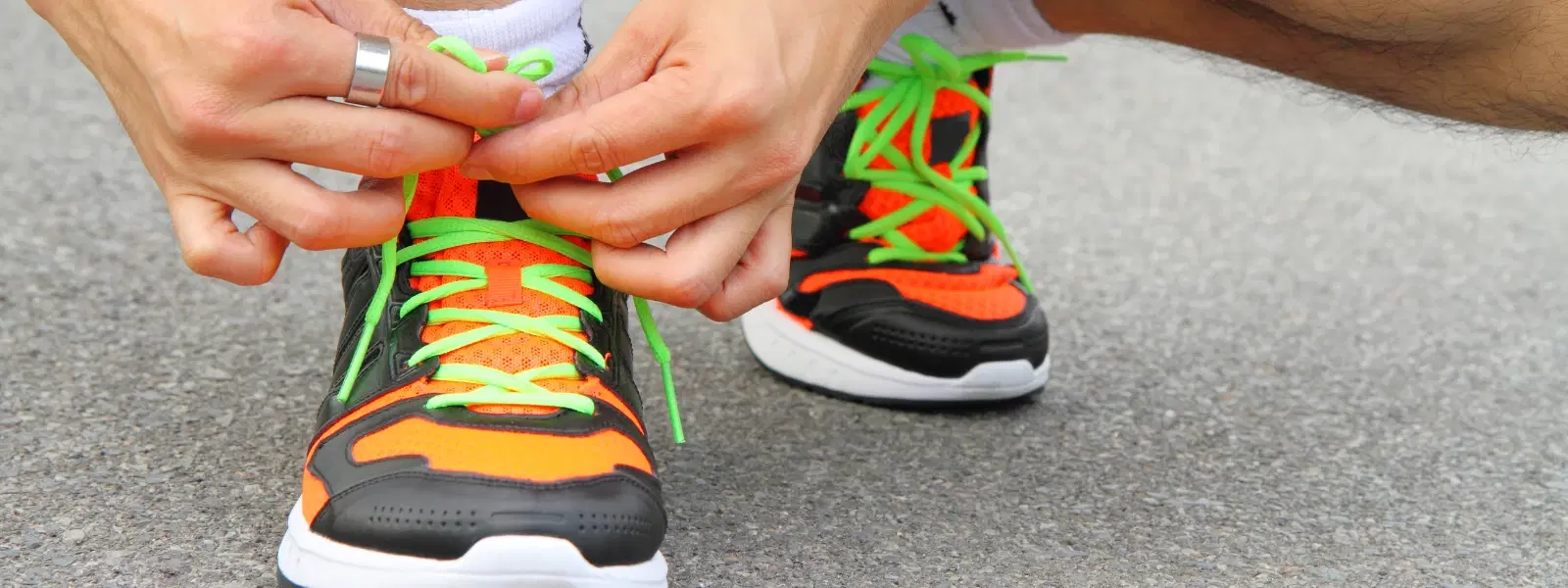
Trail Running Shoes vs Regular Shoes: Key Differences
Choosing the perfect running shoes can shape your entire running experience. Whether you are just starting out or gearing up for trail adventures, understanding the nuances of different footwear is key. In this guide, we compare the popular Asics running shoes with stability running shoes to help you pick the right pair that fits your needs, providing the perfect blend of comfort, durability, and style.
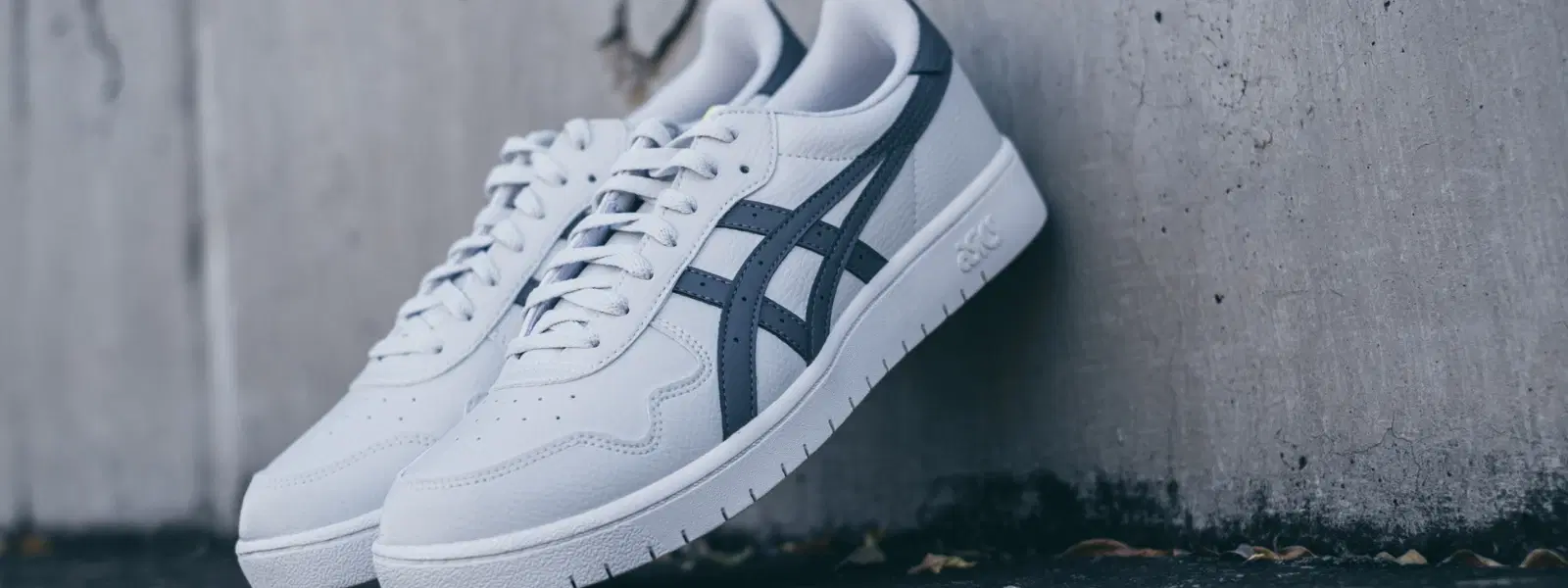
Asics running shoes are celebrated for their innovative cushioning technology and focus on comfort. With features like Gel Cushioning Systems and FlyteFoam midsoles, these shoes are designed for a soft and responsive ride. They are highly favored among runners seeking cushioned running shoes that offer shock absorption and support. The lightweight design makes them excellent for speed work too, while the breathable materials ensure your feet remain cool and dry even during long runs.
Key benefits include:
Superior cushioning for shock absorption, making them one of the most comfortable running footwear options.
Lightweight design that enhances your natural stride.
Breathable construction to maintain comfort over long distances.
Popular models offer options for various needs, like those searching for high arch running shoes or lightweight running shoes.
Asics running shoes are ideal for a range of runners. They are a great match for beginners seeking the best running shoes for beginners due to their balance of cushioning and stability. Trail runners also find these shoes suitable as they are designed with durable and breathable materials that can handle a variety of terrains. Runners with high arches can rely on the extra support provided by models specially built for that purpose, ensuring that every run is as comfortable as it is stylish.
Stability running shoes are engineered to offer extra support by correcting overpronation. Built with guidance systems and firm midsoles, these shoes keep your feet well-aligned as you run. The durable construction means they can stand up to repeated use, making them a top choice for runners who value long-lasting performance. Whether your focus is on achieving a perfect stride or gaining extra support during longer distances, these shoes are designed to meet the demand.
This type of running shoe is particularly beneficial for those who deal with overpronation or have flat feet. They ensure that your foot remains aligned, reducing excessive movement and the risk of injury. Moreover, even runners with neutral gaits can benefit when pushing their limits during longer or more intense training sessions, enjoying the enhanced durability of stability running shoes.
Insight Corner: Did You Know?
Stability running shoes are not just for overpronators. Even runners with a neutral gait can enjoy the additional support during intense training sessions or long-distance runs, reducing the risk of strain and injury.
When it comes to cushioning, Asics running shoes offer a soft, cushioned experience with their advanced Gel Cushioning Systems. This makes them a popular option among those seeking cushioned running shoes that feel like a gentle, supportive hug on every stride. In contrast, stability running shoes focus on offering a firm support base with their structured midsoles. While they may not cushion as softly as Asics models, they excel in maintaining foot alignment and preventing overpronation, especially for runners who need a bit more control.
Lightweight running shoes are a significant advantage when speed and quick transitions matter. Asics running shoes often incorporate materials that keep the weight down without compromising support. This benefit is ideal for runners who need nimble, fast-performing footwear. On the other hand, stability shoes sometimes carry a slightly heavier build due to enhanced support structures, which can be perfect for runners prioritizing durability and balance over a feather-light feel.
Both Asics running shoes and stability running shoes are designed for durability. However, stability shoes might have a slight edge due to their reinforced design aimed at providing longevity, especially during extended training sessions. For instance, if you are looking for durable running shoes that can withstand the test of time, stability running shoes offer consistent performance even under stress. Meanwhile, Asics running shoes still deliver excellent durability along with a focus on a cushioned feel, making them suitable for everyday training sessions.
For those new to running, comfort and ease of use are paramount. Asics running shoes, known for their cushioned running shoes design, provide a supportive introduction to running. Their features make them among the best running shoes for beginners, helping new runners build confidence with every step. They offer enough versatility to manage varying distances and surfaces, ensuring that your early running adventures start off on the right foot.
For runners who enjoy exploring nature, choosing the right shoe is a must. Asics offers options that feature rugged construction and breathable running footwear designs suitable for rough trails. Their specialized models ensure durability and grip on uneven terrain. Stability running shoes, meanwhile, provide superior motion control on unpredictable surfaces, making them a great fit for trail running shoes guide enthusiasts looking for extra foot support during adventurous runs.
When it comes to finding the right fit for your foot type, the decision often comes down to your arch. High arch runners benefit from the cushioning in Asics running shoes that can ease the pressure on high arches. For those with flat feet or who experience overpronation, stability running shoes are designed to offer the necessary control and support. Both types address specific needs while ensuring that your runs remain both comfortable and stylish.
Finding the right running shoe size is crucial for maximizing comfort and performance. A running shoe size guide can help you select a pair that provides ample room for your feet to move naturally. It is recommended to measure your feet at the end of the day when they are slightly swollen, leaving about half an inch of space at the toe box. This tip is essential for ensuring a proper fit, especially if you require specialized size options for high arch or flat-foot runners. A well-fitted shoe not only enhances performance but also helps prevent discomfort and injuries.
Asics running shoes focus on cushioning, lightweight design, and comfort, whereas stability running shoes emphasize support and motion control for overpronators.
Yes, Asics offers models that combine durability, breathable materials, and excellent grip, making them suitable for trail running.
Yes, stability running shoes offer added support during long runs or high-intensity workouts, even for runners with a neutral gait.
Beginners usually choose Asics running shoes for their balance of comfort and supportive cushioning, which facilitates an easy transition into running.
Measure your feet at the end of the day, ensure you have enough space in the toe box, and consider your foot type when selecting the right pair.
Choosing between Asics running shoes and stability running shoes depends on your unique running needs. With Asics, you get exceptional cushioning, lightweight designs, and options for high arches, making them a preferred option for many runners. On the other hand, stability running shoes offer critical support and durability, especially for those dealing with overpronation or flat feet. Understanding these distinctions can guide you to the right footwear that enhances your running experience and reflects your personal style in every stride.
Shoe fashion trends bring an exciting energy to the footwear world. With a fresh twist every season, it can be challenging to keep up with the latest shoe styles. This guide helps you understand emerging footwear trends and compares them to popular shoe designs that stand the test of time. By reading this, you'll learn about modern shoe fashion and find stylish footwear options that blend trend and timeless elegance.
Fashion trends in footwear are shaped by runway showcases, cultural movements and the influence of trendsetters. These trends focus on bold experimentation and innovative materials. They are often seasonal, reflecting the energy and moods of spring, summer, fall, or winter. The key features include:
Seasonal Focus: Trends adjust according to the season, with designs that echo the spirit of the time.
Innovative Designs: Bold silhouettes, unconventional textures and vibrant color combinations that attract attention.
Influence from Style Icons: Fashion personalities and influencers often embrace these changes before they hit the mainstream.
Current trends include revivals of retro sneakers updated with modern craftsmanship, minimalist thong sandals for warm weather and woven shoes that add texture and sophistication to every outfit. Even clogs are making a comeback with chic twists, making them a must-try for those wishing to experiment with innovative designs.
Popular shoe designs have an enduring appeal because they prioritize comfort and versatility. Unlike fleeting trends, these designs work well across many settings. They rely on functionality first, employing neutral colorways and comfort-oriented features such as ergonomic soles and breathable materials. These shoes fit seamlessly into daily life, making them perfect for a capsule wardrobe that lasts year after year.
Timeless pieces like classic loafers and elegant ballerina flats continue to boast popularity. Ankle boots serve as a versatile choice for transitional weather, and luxury pumps add a touch of sophistication for formal settings. Such designs allow for versatile shoe choices that combine ease and style, making them indispensable in a modern wardrobe.
The main difference between trendy shoes and timeless designs is their longevity and aesthetic appeal. Trends are crafted to create a bold statement right now, offering innovative looks and eye-catching details. They are ideal for those who love to experiment and refresh their casual shoe guide periodically with the latest shoe styles. In contrast, popular shoe designs are built on a foundation of practicality and comfort, ensuring they remain stylish over many seasons. Trends focus on making a statement while durable designs keep your wardrobe rooted in everyday functionality.
When to choose trends over timeless designs? If you are attending a special event or want to add a fresh twist to your style, trendy shoes like clogs or retro sneakers are a great choice. However, if you are investing in luxury shoe brands or seeking comfortable footwear tips for daily wear, choosing timeless designs ensures that practicality is not compromised.
Pro Tip: The Secret to a Balanced Shoe Collection
Did you know that a well-rounded shoe wardrobe typically includes 70% timeless designs and 30% trendy styles? This balance means you can enjoy stylish footwear options that cater to both daily wear and occasional bold statements without sacrificing comfort or versatility.
Comfort is key in both fashionable trends and popular designs. Look for shoes with cushioned insoles and proper arch support to ensure your feet feel good all day. Breathable materials like leather or mesh work well in any scenario, whether you're opting for modern shoe fashion statements or reliable classics. Testing your shoes for flexibility and fit is essential to avoid discomfort, especially if you plan to use them throughout the day.
Fashion-forward shoe wearers can follow a casual shoe guide that includes modern loafers and slip-on sneakers for an easy, stylish day-to-day look. Investing in luxury shoe brands provides a mix of elegance and ergonomic support, perfect for long hours on the go. Choosing versatile shoe choices like neutral ankle boots and strappy sandals lets you enjoy a blend of comfort and style no matter the occasion.
Shoe fashion trends are short-lived and bold, inspired by current culture and seasonal changes, while popular designs are timeless, prioritizing comfort and versatility over ephemeral style.
Mix trendy shoes with neutral staples, and build your wardrobe around versatile pieces. This way, you can refresh your look with the latest shoe styles without compromising on practicality.
Not at all. Many trendy shoes now integrate comfortable features such as cushioned insoles and breathable fabrics, ensuring style does not come at the cost of comfort.
Timeless classics like loafers, ankle boots, and ballerina flats remain popular due to their adaptability and ease of wear across various occasions.
Highlights include retro sneakers, minimalist thong sandals, woven shoes, and fashion-forward clogs that bring bold aesthetics to everyday footwear.
Balancing innovative trends with timeless designs is the key to building a versatile and stylish wardrobe. Shoe fashion trends offer exciting updates with bold experiments and seasonal innovations, while popular designs provide practicality and enduring style. Enjoy the journey of pairing modern shoe fashion with classic aesthetics to reflect your self-expression and personal style. This balanced approach ensures you relish both the excitement of the latest footwear trends and the comfort of well-loved, versatile shoe choices.
When choosing between cross training shoes and running shoes, the details matter. In this guide, we explore the key differences that separate these two types of athletic footwear. Readers will learn about their construction, design features, and how to match each to different workout needs. The goal is to help you elevate your fitness experience with informed choices that blend performance and style.
Cross training shoes are versatile gym training footwear designed for a range of activities including weightlifting, high-intensity interval training, CrossFit, and agility drills. They offer stability and lateral support, making them the best shoes for cross training when your workouts involve multidirectional movements. In contrast, running shoes are built for forward motion, providing increased cushioning and flexibility. They offer a lightweight feel and perfect shock absorption ideal for long-distance runs or jogging sessions.
Cross training shoes come with several design elements tailored for a dynamic gym setting. They typically feature firmer midsoles and grippy outsoles that deliver stability during side-to-side movements. With durable athletic shoes in mind, these shoes are crafted for lasting performance drawn from materials that withstand diverse activities. Conversely, running shoes are engineered with flexible, lightweight midsoles and breathable uppers ensuring natural movement. Their cushioning is optimized for continuous impact absorption and a comfortable run, making them supportive workout shoes in a different context.
There are distinct differences in sole design between cross training shoes and running shoes. Cross training shoes have flat and wide soles that offer enhanced stability. This design is crucial for weightlifting and multi-purpose workout shoes where lateral support is a must. Their soles are built using durable materials that support rigorous gym training activities. Running shoes feature raised heels and cushioning that reduce impact on the knees and joints. The flexible soles provide smooth transitions from heel to toe—a key feature of lightweight training shoes designed for endurance running.
The upper of cross training shoes is engineered with reinforced mesh or synthetic materials. This construction allows for the robust support needed during high-intensity workouts and challenging environments like CrossFit training footwear. Running shoes, however, prioritize a lightweight and breathable upper. This choice enhances airflow, ensuring your feet remain cool and comfortable during extended runs or cardio sessions.
Cross training shoes provide moderate cushioning that strikes a balance between comfort and stability. They are constructed to support agile and varied movements while maintaining the durability necessary for gym activities. On the other hand, running shoes emphasize high levels of cushioning to mitigate the repetitive impacts associated with running. This focus ensures that the overall design is optimized for endurance, making them high-performance exercise shoes that promote a comfortable and efficient stride.
One of the standout features of cross training shoes is their versatility for various gym activities. They are celebrated as the best shoes for cross training because they offer lateral support during agility drills and HIIT workouts. Additionally, their durable construction makes them an excellent option for individuals in need of multi-purpose workout shoes that can handle intense sessions. As comfortable training sneakers, they not only provide performance but also encourage a confident expression of self-style during your gym time.
Running shoes excel in providing superior shock absorption, especially necessary for long-distance running or sprinting sessions. Their design emphasizes a lightweight construction tailored to boost speed and endurance. As comfortable training sneakers, they ensure extended wear and consistent performance, making them ideal for those who enjoy running outdoors or on the treadmill. Their overall design underlines a commitment to both performance and style, which resonates well with individuals seeking versatile gym shoes for their workout regimens.
If your fitness routine includes weightlifting, CrossFit, or HIIT workouts, cross training shoes are an excellent choice. They offer the stability and lateral support required for such dynamic movements. These supportive workout shoes provide the durability needed for activities that encompass various gym exercises. For those who believe in self-expression through athletic style, opting for a pair of versatile gym shoes can seriously elevate your fitness experience.
Running shoes are perfectly suited for activities focused on forward movement, such as long-distance running or casual jogging. Their design centers on comfort and cushioning, making them an ideal choice for those whose workouts revolve around cardio and endurance. When speed and responsiveness are key, lightweight training shoes offer an unmatched experience. Whether you are sprinting outdoors or enjoying a treadmill run at home, these shoes provide the ultimate balance of comfort and performance.
Insight Corner: Pro Tip: Match Your Footwear to Your Workout Goals
Selecting the right shoe type can significantly enhance your performance and minimize injury risks. Cross-training shoes deliver excellent stability during multi-directional gym exercises, whereas running shoes are designed to cushion every stride. Focus on comfort and ensure the shoes fit perfectly to support your activity goals.
Deciding between cross training shoes and running shoes comes down to a few critical factors. First, assess your primary activity type: if your regimen includes varied movements such as weightlifting and cardio, versatile gym shoes might be the right pick. Consider the fit and comfort—supportive workout shoes that align with your foot shape are essential. Durability is another factor; choose multi-purpose workout shoes made from materials that promise longevity amidst rigorous use. Lastly, explore options to see which model suits your style and performance needs, ensuring you choose high-performance exercise shoes or comfortable training sneakers that sparkle with your personality.
For those who love a mix of running and gym activities, owning both types of shoes may be the best strategy. Switching between the best shoes for cross training and running shoes ensures that you are stepping into the right pair for every workout. This approach not only improves performance but also protects from potential injuries by ensuring your footwear matches the specific demands of your exercise.
Cross-training shoes can handle short runs but may not offer the cushioning required for long-distance running.
Yes, they provide a firm, stable base suitable for weightlifting and other gym exercises.
Cross-training shoes are designed to be durable and handle multi-directional movements, while running shoes focus on repetitive forward motion and may experience wear over time.
If your workout routine includes a mix of weightlifting, cardio, and agility drills, cross-training shoes offer the stability and support you need.
Lightweight training shoes are designed for quick, responsive movement and include features that promote speed and maintain a comfortable fit.
Choosing the right footwear is not just about functionality—it’s a statement of style and self-expression. Cross training shoes excel as durable and versatile gym training footwear, perfect for dynamic and varied workouts, while running shoes bring superior cushioning and lightweight design for forward motion activities. Understanding these differences allows you to select footwear that keeps you performing at your best while staying trendy and comfortable. Explore our footwear guide on Tata Neu to learn more about innovative designs and curated collections that truly represent a blend of responsible fashion with high performance.
Sustainable fashion is evolving rapidly, and footwear is no exception. Today, many consumers seek options that match their values and lifestyle. Your footwear is an expression of your unique personality and style. In this guide, we explore the nuances between sustainable footwear and vegan sneakers. By the end of this guide, you will gain clarity on the key differences between these innovative choices. You will learn how eco-friendly shoes and ethical footwear can help reduce your carbon footprint and support responsible fashion.
Sustainable footwear refers to shoes crafted with environmental and social responsibility in mind. These shoes focus on waste reduction by using organic and recycled material shoes. Brands committed to responsible fashion use eco-friendly materials like organic cotton, natural rubber, and plant-based textiles. In addition, ethical footwear production ensures fair labor practices and focuses on long-lasting, repairable products. These practices are widely supported by current sustainable fashion research. This focus not only reduces waste but also gears the product toward a circular economy with recycling and take-back programs.
Key characteristics of sustainable footwear include:
Use of eco-friendly materials, minimizing harmful environmental effects.
Ethical production ensuring fair labor practices across the board.
Durability and repairable designs that lessen the frequency of shoe replacement.
Adoption of circular economy practices such as recycling and take-back initiatives.
Unlike conventional shoes, sustainable footwear avoids synthetic and non-biodegradable components. This focus helps reduce environmental impact during both production and disposal phases, making them an optimal choice for those who value eco-friendly shoes and carbon-neutral footwear alike.
Vegan sneakers bring a fresh, cruelty-free twist to your wardrobe, letting your style speak volumes. These shoes resonate with customers who wish to ensure their style is cruelty-free. The absence of leather, wool, or any animal-based components sets them apart. However, it is also important to note that the environmental impact of vegan sneakers may vary. While certain pairs incorporate recycled plastics or plant-based textiles, others may use synthetic materials which could detract from their eco credentials.
Key characteristics of vegan sneakers include:
The complete omission of animal-derived components, promoting cruelty-free fashion.
Certification by relevant bodies, emphasizing a commitment to ethical production.
Use of synthetic or recycled materials, with varying degrees of sustainability.
Designs that balance style and comfort, appealing to trend-conscious buyers looking for comfortable eco shoes.
Vegan sneakers offer a unique blend of style and ethical responsibility. Although they guarantee a cruelty-free approach, their overall sustainability depends on the materials used. Balancing aesthetics with environmental benefits remains a key conversation in the world of vegan sneakers.
One of the critical factors in any sustainable fashion choice is the material used. Sustainable footwear and vegan sneakers often have distinct materials, each with its own environmental implications.
Sustainable footwear focuses on incorporating materials that reduce environmental harm:
Organic Cotton: Grown using fewer pesticides and less water, it is a natural alternative to conventional cotton.
Natural Rubber: A renewable and biodegradable material, ensuring long-term environmental benefits.
Plant-Based Textiles: These innovative materials, often derived from fruits or algae, represent the latest trend in eco-friendly shoes.
Recycled Materials: Utilizes repurposed resources such as recycled plastics or old textiles to create durable walking shoes and other footwear.
These materials not only reduce reliance on non-renewable resources but also contribute to a reduction in waste. Industry experts have noted these trends in material innovation.
Vegan sneakers, while focusing on cruelty-free production, may employ a different set of materials:
Synthetic Alternatives: Though innovative, these are often petroleum-based and can be less eco-friendly.
Recycled Plastics: They serve as a sustainable choice by reusing materials, but may pose challenges as they are non-biodegradable.
Plant-Based Leather: Made from sustainable sources such as mushrooms or pineapple fibers, these present a truly eco-friendly option for the vegan market.
The divergent materials used in each type of footwear highlight key differences in environmental impact and overall sustainability.
Insight Corner: Dual Sustainability
Did you know? Many sustainable shoe brands have embraced a dual approach by integrating plant-based textiles and recycled materials together. This strategy allows them to create products that are both cruelty-free and eco-friendly, achieving a balance between style and responsibility.
Sustainable footwear is designed for longevity. These shoes aim to offer repairable designs and robust construction to withstand daily wear. The focus on durability means that sustainable footwear often comes with sustainable shoe care tips that include regular cleaning with eco-friendly products, appropriate storage, and timely repairs. This extended lifespan not only reduces waste but also ensures that each pair of eco-friendly shoes or durable walking shoes remains a valued part of your wardrobe for longer durations.
While vegan sneakers shine in offering cruelty-free options, their longevity can vary widely. Some pairs boast durability through advanced synthetic materials and innovative designs. However, others might emphasize contemporary style over extended use, leading to quicker wear and tear. This trade-off makes it essential to look closely at product specifications when evaluating vegan sneakers and recycled material shoes for everyday wear.
Proper care is essential regardless of the type of shoe. To extend the life of your sustainable footwear, consider these sustainable shoe care tips:
Use eco-friendly cleaning products to avoid harsh chemicals.
Clean your shoes regularly with soft brushes or cloths to maintain their texture.
Store your shoes in a cool, dry place away from direct sunlight.
Address minor repairs promptly to prevent further damage.
These practices help maintain the shoe's integrity, making them a lasting addition to your collection of comfortable eco shoes.
When deciding between sustainable footwear and vegan sneakers, several factors come into play. Begin by considering the overall environmental impact. For those who prioritize green practices, looking for carbon-neutral footwear and biodegradable sneakers might be key. Think about your ethical values; if cruelty-free production is a priority, vegan sneakers hold significant appeal. Every step you take in these innovative shoes is a reflection of your individuality and commitment to responsible fashion. Style and functionality are also important. Whether you need durable walking shoes for a casual day out or comfortable eco shoes for travel, understanding your lifestyle needs will guide your decision. Lastly, your budget and specific fashion taste can help narrow down choices among organic shoe brands and other ethical options.
Choosing the right retail space to shop for these shoes will also enhance your buying experience. You can find sustainable and vegan footwear on various online marketplaces that focus on eco-conscious offerings. These platforms often bring together a diverse range of collections, from organic shoe brands to innovative recycled material shoes, ensuring that you can find the perfect pair that reflects your style and ethical values.
Sustainable footwear focuses on environmental practices while ethical footwear emphasizes fair labor and cruelty-free production. Eco-friendly shoes and carbon-neutral footwear often overlap with these categories.
Not necessarily; their environmental impact depends on the materials used, such as synthetic versus plant-based options.
Several affordable options are available that align with ethical values. It's best to seek collections that match your specific criteria for both style and sustainability.
Use eco-friendly cleaning products, store them in a dry, shaded area, and have minor damages repaired promptly to extend their lifespan.
Sustainable sneakers are widely available on online marketplaces that focus on eco-friendly options and responsibly manufactured products.
Sustainable footwear and vegan sneakers each offer unique benefits for eco-conscious consumers. While sustainable footwear emphasizes environmental responsibility and long-lasting design with a strong focus on repairability and ethical practices, vegan sneakers prioritize cruelty-free production. Understanding their differences helps you make informed choices based on your values and lifestyle. Embracing either option not only uplifts your style but also supports a commitment to responsible fashion and a greener future.
Flat feet, also known as fallen arches, can bring unique challenges during your runs. This guide is here to help you choose the best running shoes for flat feet. It explains the key features to look for, how the right footwear can boost comfort and stability, and offers expert insights to ensure you make an informed decision for your running needs.
Flat feet occur when the natural arch of the foot is low or collapses. This condition means the entire sole touches the ground, which can lead to overpronation—the foot rolling inward too much during each step. Overpronation is commonly observed among runners and increases stress on your muscles and joints, often resulting in discomfort during and after your run.
For runners with flat feet, extra support is essential. The lack of a natural arch can lead to instability and uneven pressure distribution while running. This imbalance may cause:
- Increased pressure on joints and muscles
- Reduced shock absorption during impact
- A higher risk of chronic pain or injuries like plantar fasciitis
Choosing supportive running shoes for flat feet can help address these challenges. Shoes with arch support, stability features, and cushioning are particularly beneficial. They help control overpronation, evenly distribute pressure, and absorb impact, ensuring that your run is both comfortable and safe.
Arch support is crucial for reducing the extra strain on flat arches. Look for footwear that is described as arch support shoes for runners or stability shoes for flat feet. These shoes help maintain proper alignment and lessen the load on your foot during each stride.
Motion control running shoes help prevent excessive inward rolling by providing firm support. These shoes are designed to offer structured support to flat feet, making them ideal for runners who experience significant overpronation. This technology is especially useful for flat feet athletic footwear.
Cushioned running shoes for flat arches provide essential padding that absorbs shock and softens the impact on every run. With soft midsoles and responsive cushioning, these shoes ensure a smooth and comfortable experience whether you are on a long run or recovering from a hard workout. For added search relevance, consider comfortable running shoes for flat feet or best sneakers for flat feet.
A wide toe box is a must-have in running shoes if you have flat feet. It allows enough space for your foot and prevents pinching and irritation. Additionally, flexible materials move with your foot, adapting to your unique contours during every run.
Stability running shoes offer a balance between cushioning and support, which is perfect for flat-footed runners experiencing mild overpronation. They typically include reinforced midsoles or medial posts that help maintain proper foot alignment while running.
For runners who struggle with severe overpronation, motion control running shoes provide the extra support needed. Their design often features firmer midsoles and rigid heel counters. This design works to stabilize the foot and guide it through a more controlled movement, reducing fatigue and potential injuries.
If comfort is your priority, consider cushioned running shoes for flat feet. These shoes focus on providing maximum shock absorption and softness. Ideal for long-distance runs or recovery days, they help protect your joints and reduce stress on your feet.
Before selecting any footwear, it’s important to understand whether your flat feet are natural or a result of collapsed arches. Simple tests like the wet footprint test or a consultation with a specialist can help you know your foot type better. This understanding will guide you in choosing shoes that equally emphasize support and comfort.
Your running style influences the type of support you need. Whether you are a casual jogger, a marathon runner, or someone recovering from an injury, make sure your shoes match your style. This ensures that the shoes provide adequate grip, cushioning, and stability based on the intensity and duration of your runs.
Always take the time to try on shoes before finalizing your choice. A proper fit involves a snug heel grip to prevent slipping and ample room in the toe box for natural movement. Remember how a well-chosen pair can boost not only performance but also confidence. Test out shoes that offer supportive and comfortable features, such as cushioned running shoes for flat arches or motion control running shoes if you experience severe overpronation.
While a trendy look is appealing, the primary focus should be on functionality. The right pair of shoes can significantly enhance your running performance and comfort by keeping your feet stable and protected from injuries. These shoes not only enhance your performance but also let you showcase your unique athletic style, blending functionality with vibrant design.
Insight Corner: "Flat Feet Don’t Mean Flat Performance"
Did you know that many enthusiastic runners with flat arches have achieved great performance milestones? With supportive running shoes for flat feet—especially those offering arch support and motion control—flat-footed runners can overcome discomfort and push their limits.
Neglecting proper arch support is a common mistake that can lead to severe discomfort and long-term foot issues. Always choose shoes that deliver robust support for your arches. Running shoes for flat arches are specifically engineered to distribute pressure evenly and reduce the risk of injury.
Selecting a neutral shoe that lacks stability features can be detrimental. Shoes designed for flat-footed runners must address overpronation effectively. Therefore, avoid options that do not offer adequate corrective features when looking for supportive running shoes for flat feet.
An improper fit can lead to a host of issues like blisters, discomfort in the toe box, and instability during runs. Testing for a correct size is essential before settling on your footwear. Only opt for running shoes that feel secure yet comfortable from the very first step.
Supportive and cushioned running shoes for flat feet are great for women, offering a balance between stability and comfort. Look for models that emphasize arch support and motion control.
Yes, many options hustle to provide stabilized motion and cushioning. Shoes for flat-footed runners that cater to men typically focus on a secure fit and enhanced support features.
Indeed, flat feet can heighten the risk of plantar fasciitis because of the added strain on the plantar fascia. Proper shoes help reduce this risk through adequate support and cushioning.
Stability shoes offer moderate support for mild overpronation, while motion control shoes provide maximum correction for severe inward rolling of the foot.
Absolutely. Cushioned running shoes for flat arches deliver extra comfort and shock absorption, making them particularly appealing for long runs or recovery sessions.
Choosing the best running shoes for flat feet is all about understanding your foot type and aligning your running style with the right features. Prioritize shoes that bring stability through motion control, comfort through cushioning, and a proper fit to safeguard against injuries. This focused approach ensures a smoother, more enjoyable running experience. With a well-thought-out selection process, flat-footed runners can easily embrace their passion for running, knowing their footwear supports both style and performance. Explore our footwear guide to learn more about the features that make running a safe and enjoyable pursuit.
Trail running has become a popular way to express your adventurous side while staying active. For those who enjoy challenging terrains and embracing the beauty of nature, choosing the right footwear is essential. These shoes not only empower your performance on rugged terrains but also serve as a bold fashion statement reflecting your unique adventurous spirit. This blog post explains the key differences between trail running shoes and regular shoes. By reading on, you'll learn about their distinct features, understand why each type is important, and discover tips on how to choose the right pair for your outdoor explorations.
Trail running shoes are specially designed for off-road terrains like dirt paths, gravel, rocky surfaces, and muddy trails. The best shoes for trail running are built with features such as rugged outsoles, protective toe caps, and reinforced materials that shield feet from debris. Many models, as noted in industry trends, include enhanced grip for trail running shoes to provide stability on uneven ground. The design of these shoes emphasizes durability and performance, making them a practical choice for those who often explore challenging outdoor environments.
Trail running shoes are ideal for outdoor enthusiasts and runners who seek adventure on rugged terrain. Hikers and nature lovers also benefit from lightweight trail footwear that can withstand the wear and tear of demanding paths. These shoes are indispensable in providing the required support, superior grip, and reliable protection compared to regular athletic shoes. Designed to meet the needs of style-savvy and eco-conscious adventurers, these shoes empower wearers with confidence to tackle terrains that demand more than what traditional running shoes might offer.
Regular shoes, such as casual sneakers or running shoes made for roads, are optimized for smooth, even surfaces like pavements, gym floors, or city tracks. Their lightweight construction and subtle tread patterns make them perfect for everyday activities. While these shoes offer comfort and style for urban settings, they often lack the robust features required for the outdoor challenges posed by trails. Their design focuses more on style and simplicity rather than the technical specifications needed for rugged terrains.
Using regular shoes on trails can be risky. They generally fall short in handling the demands of rocky and uneven surfaces. Without aggressive tread patterns and reinforced structures, regular shoes may not provide the durability required for long runs on rugged terrain. Studies indicate that runners might find these shoes offer limited grip and insufficient protection against debris. When considering durable running shoes for trails, it becomes clear that the material and construction differences are vital for ensuring safety and optimal performance outdoors.
The outsole is one of the most significant differences between trail running shoes and regular shoes. Trail running shoes come with aggressive lug patterns and sticky rubber compounds to ensure excellent traction on slippery or uneven surfaces. This enhanced grip for trail running shoes is a key feature that helps runners maintain stability, even on steep, unpredictable paths. In contrast, regular shoes feature softer outsole designs that are effective only on even and predictable surfaces.
Materials used in trail running shoes are chosen for their strength and durability. Typically, these shoes incorporate waterproof membranes and reinforced uppers that resist abrasions. In addition, the use of robust trail running shoe materials means they can handle harsh terrains while offering excellent protection and longevity. Many models, as noted in industry trends, offer waterproof features, making them a favorable option for those who run in unpredictable weather conditions. Regular shoes, on the other hand, often employ lightweight materials like mesh or synthetic fabrics, which are less suited to extreme outdoor conditions.
Comfort remains a priority in any footwear, but trail running shoes go a step further by incorporating additional cushioning and stability features. Breathable trail running shoes are designed to allow airflow, reducing fatigue even during extended runs. These shoes combine comfort with performance, ensuring that long-distance runners experience both ease and endurance. Regular shoes, while comfortable on smooth surfaces, might not offer the same level of breathability and shock absorption necessary for tackling rugged trails.
Choosing the perfect pair of trail running shoes involves considering several factors. First, assess the typical terrain you will encounter and the weather conditions you may face. Shoes with toe protection, waterproof properties, and sturdy cushioning are crucial for rough trails. When evaluating options, think about how to choose trail running shoes by focusing on grip, proper fit, and durability. Remember, the best shoes for trail running will not only enhance your performance but also protect your feet during those challenging outdoor adventures.
While there are many well-regarded names in the field, select options are renowned for their commitment to innovation and quality in outdoor footwear. They continuously refine trail running shoe features to align with the needs of style-savvy athletes. These leading brands set the benchmark with performance-enhancing materials, exceptional grip, and designs that embody both form and function. Their collections consistently deliver comfortable trail running shoes that meet the demands of modern explorers. With Tata Neu’s exclusive offers, such as earning NeuCoins and accessing curated collections, these brands bring added value to your footwear choices.
A quick comparison can help highlight the differences between the two types of shoes:
Grip and Traction: Trail running shoes have aggressive outsoles with superior traction, while regular shoes are designed for lighter use.
Materials and Durability: Trail shoes use reinforced, waterproof components ideal for harsh terrain, compared to the lighter, less robust materials of regular shoes.
Comfort and Cushioning: Trail shoes incorporate extra cushioning and stability features for long runs, unlike the simpler designs of regular shoes.
Weight: Regular shoes often excel in lightness, but trail shoes balance weight with necessary protection and durability.
Protection Against Debris: Trail running shoes offer enhanced protection with reinforced toe caps which regular shoes generally lack.
If you plan to race along smooth urban paths or gym floors, regular shoes are sufficient. However, if your adventures lead you to muddy, rocky, or unpredictable terrains, investing in trail running shoes is the best decision. They provide enhanced stability, protection, and comfort that can transform your outdoor experience.
Expert Tip: Know Your Terrain Before Choosing Trail Running Shoes
Did you know that the type of terrain you run on significantly impacts your choice of trail running shoes? For rocky paths, opt for shoes with rugged outsoles and reinforced toes. Muddy trails call for waterproof trail running shoes with superior grip.
Trail running shoes are designed for rugged terrains with aggressive tread patterns and reinforced protection, while regular shoes are designed for smooth surfaces and prioritize lightweight comfort.
Trail running shoes are a great option for hiking on technical trails, offering the necessary grip, durability, and comfort for outdoor activities.
Many models offer waterproof options, but not all trail running shoes are waterproof. Look for those with protective membranes if waterproofing is essential.
The shoes typically feature synthetic uppers, reinforced overlays, EVA foam midsoles, and durable rubber outsoles for optimal performance on rugged terrain.
Focus on terrain type, grip, cushioning, waterproofing, and an overall secure fit. Trying on the shoes and reading customer reviews can also aid in making a well-informed decision.
Trail running shoes are engineered to meet the demands of off-road adventures, ensuring that every step on challenging terrain is safe and secure. Their design, featuring enhanced grip, sturdy materials, and superior protection, clearly differentiates them from regular shoes. This guide has provided an in-depth look at the key features and considerations to help you choose the right pair. Embrace the freedom of the outdoors by choosing footwear that supports both performance and your unique style journey. With Tata Neu, you can also enjoy curated collections and earn NeuCoins as part of your trail running experience.
Runners and sneaker enthusiasts are always on the lookout for the best running shoes to support their journey. In this post, we explore the debate: adidas ultraboost vs cushioned running shoes. We will review design, functionality, and performance to help you choose the right performance footwear that meets your needs. Read on to learn how these premium athletic shoes offer comfort, support, and style for every runner.
The adidas ultraboost has set a high bar among comfortable sneakers. Its innovative Boost midsole technology gives you exceptional energy return, enhancing your run and everyday wear. The ultraboost's lightweight design blends cutting-edge technology with fresh style. This shoe is not only a performance footwear icon but also a piece of self-expression. Its design adapts to different activities, making it a versatile workout shoe and a stylish option for casual wear.
Here are some standout features that make the adidas ultraboost a favorite among athletes and lovers of versatile workout shoes:
Boost Midsole: Provides exceptional energy return, perfect for high-performance trainers.
Primeknit Upper: Ensures breathability and adaptive fit for comfortable sneakers.
Durability: Built with long-lasting materials designed for rigorous use.
The ultraboost collection includes models like the adidas ultraboost 21, ultraboost 22, and ultraboost Light. Each variant focuses on different needs. Some are engineered for intense running sessions while others blend functionality and casual style. The range offers something for every activity, whether you are running, working out, or enjoying a casual day out in your premium athletic shoes.
Cushioned running shoes are crafted to give runners enhanced protection and shock absorption. They help reduce strain on your joints during long runs and protect your feet with extra softness. This design makes them supportive running sneakers for those seeking extra comfort and stability. They serve as an excellent choice for runners looking for additional joint support and overall foot protection.
Cushioned running shoes use various technologies to improve your comfort. The following are common cushioning types:
EVA Foam: Offers a lightweight option and is popular among runners who need supportive running sneakers.
Gel Cushioning: Known for superior shock absorption, this is great for high-impact activities.
Air Cushioning: Adds responsiveness to your step, ideal for versatile workout shoes.
These shoes have many benefits. They provide improved joint protection and extra comfort for long-distance runs. They deliver greater stability that helps in maintaining your stride. For those who need specialized support, these cushioned running shoes play a vital role in reducing fatigue and enhancing performance, making them a popular choice among both beginners and seasoned runners.
The adidas ultraboost features a Primeknit upper that adapts to your foot shape, delivering a snug and supportive fit. In contrast, many cushioned running shoes use foam-based uppers with a more traditional design. Both options provide excellent comfort, but each caters to different running styles. While ultraboost emphasizes style and adaptive fit, cushioned shoes focus on extra padding for long hours of use.
When it comes to shock absorption, adidas ultraboost stands out with its Boost midsole that gives incredible energy return and soft cushioning. On the other hand, traditional cushioned running shoes often rely on EVA foam and gel cushioning. These technologies are designed to cushion your step and reduce impact, making them ideal for long distances. Both types offer solid support, but their performance may vary based on your running style and personal preference.
The lightweight nature of the adidas ultraboost makes it a favorite for runners who value speed and agility. Its Primeknit upper is not only flexible but also highly breathable, letting air flow freely to keep your feet cool. Cushioned running shoes, while effective, may use heavier materials and traditional mesh uppers. This comparison can help you decide which option fits best with your running goals, whether you prioritize a feather-light feel or maximum breathability.
Durability is key in performance footwear. The adidas ultraboost is built with a well-designed outsole and resilient upper that can handle different types of wear and tear. Cushioned running shoes are equally committed to longevity, with robust cushioning systems that support your feet over extended periods. Both types are versatile enough for a variety of activities—from running in the park to cross-training in the gym—making it easier for you to blend style with function.
adidas ultraboost is perfect for those seeking a blend of style and performance in their athletic footwear. If you are a runner who values premium athletic shoes with exceptional energy return, these lightweight sneakers can meet your needs. They are also ideal for individuals who want versatile workout shoes that can easily transition from a morning jog to casual outings. Additionally, athletes looking for breathable running shoes that deliver both comfort and style will find ultraboost a standout option.
Cushioned running shoes are best for long-distance runners who need extra shock absorption and joint support. If you have specific foot issues or require additional cushioning for stability, these shoes are tailored to your needs. They work well for fitness enthusiasts who are building their running routine and need high-performance trainers that focus on comfort and injury prevention. These cushioned shoes provide a great balance of support and affordability for daily training sessions.
Pro Tip: Matching Shoes to Your Running Goals
Choosing between adidas ultraboost and cushioned running shoes depends on your running style and goals. For casual runners or those seeking a stylish, adaptable sneaker, ultraboost is unmatched. However, if you are a marathoner or need extra joint support, cushioned running shoes may be your best bet.
adidas ultraboost offers superior energy return and a sleek style, while cushioned running shoes focus on shock absorption and joint protection.
Yes, these shoes provide excellent cushioning and comfort for long distances, though they might not have the extreme shock absorption of dedicated cushioned models.
Both are built to last, but the ultraboost’s resilient outsole and knit upper may offer longer durability for varied activities.
Absolutely, their lightweight and responsive design makes them perfect for workouts, running, and everyday wear.
Yes, cushioned running shoes provide the extra support and stability that beginners need to start a safe running routine.
This comparison highlights that adidas ultraboost excels in energy return, lightweight design, and versatility. On the other hand, cushioned running shoes are champions in shock absorption, stability, and support for long-distance runs. Your choice depends on your personal style and running goals. Explore more about these options and find the perfect pair that matches your lifestyle and performance needs in the world of performance footwear.