

How to Get Glowing Skin: Remedies for Oily Skin at Home

How to Naturally Reduce Dark Circles Under Your Eyes
How to Choose the Best Moisturizer for Combination Skin

How to Choose Perfect Lipstick Shades for Dusky Skin
How to Choose the Best Vitamin C Serum for Dark Spots

How to Start Using Retinol Cream in India Safely
Achieving glowing skin is a common goal, but for those with oily skin, it can feel like an uphill battle. Excess oil leads to clogged pores, breakouts, and a dull complexion. This guide will help you harness glowing skin home remedies for oily skin by exploring natural remedies that balance sebum production while brightening your skin naturally. Read on to learn effective DIY skincare for glowing skin, use home remedies for clear skin, and enjoy natural ways to brighten skin.
Oily skin results from overactive sebaceous glands that produce too much sebum. Hormonal shifts, genetics, and environmental factors can trigger oiliness. Understanding these challenges is key to choosing the right oil control skincare solutions. Oily skin, though prone to shine, carries benefits like prolonged moisture retention, a younger appearance, and natural protection against dirt and pollutants. By balancing oil production with herbal treatments for oily skin, you can make the most of these benefits without compromising on radiance.
Before applying home remedies for glowing skin, it is essential to follow a solid skincare routine that primes your skin. Start with gentle cleansing using oil-free cleansers twice daily. This step helps remove impurities and extra sebum without stripping your skin. Additionally, exfoliation plays a vital role. A natural exfoliant like oatmeal or sugar scrubs removes dead skin cells and unclogs pores. Exfoliating 2-3 times a week maintains a smooth, luminous texture while keeping oiliness under control. Finishing with a natural toner, like rose water or witch hazel, helps tighten pores and set the stage for the next steps in your DIY skincare for oily skin routine.
Incorporating homemade skincare for oily skin into your routine can make a significant difference in your complexion. Start with face masks for glowing skin that suit oily types. Clay masks, such as bentonite or kaolin, absorb excess oil and detoxify your skin. Oatmeal masks soothe irritation and gently exfoliate. For a brightening boost, try an egg white and lemon mask that tightens pores naturally. Along with face masks, herbal treatments for oily skin can be a game-changer. Aloe vera gel hydrates without clogging, while neem paste acts as an antibacterial remedy to reduce both acne and oiliness. Additional DIY ideas include mixing turmeric powder with yogurt for a brightening mask, applying cucumber slices to refresh, or using tomato pulp to control shine.
Pro Tip: Use Ice Cubes for Instant Oil Control
Wrap an ice cube in a soft cloth and gently rub it on your face. This quick trick tightens pores and reduces oiliness, making it a perfect step before makeup application or when you need a mid-day refresh.
Achieving radiant skin at home goes beyond topical treatments. What you eat and your lifestyle have a strong influence on your skin’s health. Maintain hydration by drinking plenty of water, which flushes toxins and keeps your skin plump. Incorporate antioxidant-rich foods such as berries and green tea to defend your skin against environmental damage. It is also important to avoid greasy and sugary foods that may trigger oil overproduction. Complement these habits with good sleep to allow your skin to repair. Regular exercise boosts circulation, and stress management practices help in maintaining balanced sebum production. Lastly, always protect your skin with oil-free, non-comedogenic sunscreen even if you’re indoors, as harmful UV rays continue to affect your complexion.
Avoid over-cleansing your face, as washing too frequently can remove essential moisture and compel your skin to produce more oil. Skipping moisturizer is another misstep; even oily skin needs hydration. A lightweight, gel-based moisturizer is perfect to keep your skin balanced. Using harsh products with alcohol or synthetic fragrances can irritate your skin and worsen oil production, so opt for gentle, natural ingredients. These beauty tips for healthy skin ensure that your routine is both effective and protective.
Natural remedies such as clay masks, aloe vera, and turmeric-based treatments are ideal. They help control oil and brighten skin naturally.
Permanent oil removal is not possible, but a consistent routine, diet modifications, and natural remedies can help manage sebum production.
Yes, aloe vera hydrates without clogging pores and soothes inflammation, making it excellent for oily skin.
Definitely. Face masks made with ingredients like clay, oatmeal, and egg whites effectively absorb excess oil and improve skin texture.
Managing oily skin doesn’t have to be a struggle. By understanding the causes of oiliness and preparing your skin with the right cleansing, exfoliation, and toning techniques, you set a strong foundation. Incorporating DIY remedies and herbal treatments into your routine, along with practical daily tips, supports a balanced, radiant complexion. Embrace these natural, home remedies for glowing skin, stay mindful of common pitfalls, and enjoy the confident glow that comes with healthy, well-cared-for skin.
Dark circles under the eyes can feel like a constant reminder of a long, tiring day. This guide is here to help you explore natural remedies for dark circles under eyes that are safe and effective. We will uncover home remedies for dark circles, how to reduce under-eye puffiness naturally, and natural treatments for eye bags. By reading on, you will learn valuable tips on DIY solutions for dark circles and holistic skincare for under-eye area to help you achieve brighter, refreshed eyes.
Dark circles can emerge from various factors, such as poor sleep, dehydration, allergies, and genetics. Knowing what causes these circles is key to choosing the right natural remedy. Lack of sleep and stress can lead to reduced blood circulation, which makes blood vessels more visible under the skin. Additionally, hyperpigmentation from UV exposure or hormonal changes can add to the discoloration, while fluid retention can result in under-eye puffiness. Recognizing these aspects allows you to select the best skincare for tired eyes that addresses your unique concerns.
There are also different types of dark circles. Pigmented dark circles are mainly due to melanin overproduction, while vascular dark circles are the result of thin skin allowing more visible blood vessels. Structural dark circles occur when the under-eye area becomes hollow or sunken. Each type benefits differently from natural ingredients for brighter eyes and targeted home remedies for dark circles.
When searching for natural remedies for dark circles under eyes, consider starting with gentle, cooling treatments that soothe puffiness and promote brightness. Cold compresses can help reduce under-eye puffiness naturally by constricting blood vessels and alleviating swelling. Simple options include using chilled cucumber slices, cold spoons, or even an ice pack. Integrating these approaches in your routine is an excellent way to begin treating the delicate under-eye area without harsh chemicals.
DIY solutions for dark circles are both fun and effective when prepared at home. For instance, placing cucumber and potato slices on your eyes not only hydrates but also brightens the skin. A mask made from coffee grounds and aloe vera can stimulate circulation with caffeine while providing moisture. Similarly, using rose water with cotton pads acts as a gentle refresher, reducing puffiness due to its anti-inflammatory properties. These home remedies for dark circles offer a natural and soothing way to care for your under-eye skin.
Herbal remedies for under-eye darkness include tried-and-tested ingredients like green tea bags. Rich in antioxidants, these bags reduce inflammation, improving skin elasticity. Additionally, a blend of almond oil and vitamin E serves as a nourishing treatment by hydrating and repairing the delicate under-eye area. This combination of natural treatments for eye bags and dark circles can be a game changer when used consistently.
Adopting holistic skincare for the under-eye area means taking care of your skin from the inside out. The key is to incorporate practices that not only address dark circles but also promote overall skin health. Hydration is paramount; drinking plenty of water keeps your skin plump and diminishes fluid retention. A gentle cleansing routine that avoids harsh irritants is essential for this delicate region. Protecting your skin from the sun with proper SPF further prevents hyperpigmentation and UVA-induced damage.
Organic skincare for dark circles focuses on using products that are free from synthetic fragrances and parabens. Eye creams enriched with hyaluronic acid, vitamin C, and chamomile extract offer brightening benefits and soothe tired eyes. With these natural ingredients for brighter eyes, you can maintain a refined look without compromising on responsible beauty practices. Embracing holistic skincare practices supports both the health and the freshness of your under-eye area.
Simple lifestyle shifts can also make a significant difference. Ensure you get a solid 7-8 hours of sleep each night, as rest is crucial for skin regeneration. Managing stress through mindfulness or a little yoga can prevent the appearance of dark circles and improve your overall glow.
Many natural remedies incorporate essential oils for dark circles that are known to soothe and revitalize the under-eye area. Chamomile oil can help reduce inflammation and lighten pigmentation, making it a popular choice among those seeking DIY solutions for dark circles. Lavender oil not only provides a soft fragrance that promotes relaxation, but it also works to reduce under-eye puffiness naturally. Rosehip oil is well-known for boosting collagen production, which strengthens the skin and improves elasticity. These essential oils for dark circles can be a luxurious addition to your skincare routine.
Beyond oils, natural ingredients play a huge role in restoring brightness to tired eyes. Vitamin C is cherished for its ability to brighten and even out skin tone, making it one of the best skincare solutions for tired eyes. Licorice extract and turmeric are other standout options which help reduce hyperpigmentation and fight inflammation. When you merge these natural ingredients for brighter eyes with a consistent skincare routine, you pave the way for a refreshed and youthful look.
Expert Tip: "Hydration is Key to Reducing Dark Circles"
Drinking enough water daily is one of the simplest yet most effective ways to prevent under-eye puffiness and discoloration. Proper hydration boosts circulation, flushes out toxins, and keeps your skin looking fresh and radiant.
Dark circles may occur due to aging, genetics, dehydration, or lifestyle factors like lack of sleep and stress.
Using cold compresses, cucumber slices, or green tea bags can help reduce puffiness; however, sustained improvements need time and a regular routine.
Yes, herbal remedies like green tea and almond oil are known to reduce inflammation and improve skin elasticity, which helps tackle under-eye puffiness.
Ingredients such as vitamin C, licorice extract, turmeric, and essential oils like chamomile and lavender are effective for brightening and rejuvenating the under-eye area.
Hydration is crucial; it aids circulation and helps flush out toxins, thereby reducing the appearance of dark circles.
Reducing dark circles under your eyes naturally involves combining targeted treatments with mindful lifestyle changes and a consistent holistic skincare routine. By understanding the root causes and employing natural treatments such as cold compresses, effective DIY masks, essential oils, and organic skincare, you can achieve and maintain radiant, refreshed under-eye skin. Embrace these natural remedies for dark circles under eyes and enjoy the journey to a healthier, more vibrant you.
Combination skin can be challenging to manage, as it shows both dry and oily patches. This guide explains how to choose the best moisturizer for combination skin in India, making it easier to balance hydration and oil control. By reading further, you will learn which key ingredients work best and how to make an informed decision, ensuring that your skin stays radiant and feeling comfortable all day.
Combination skin typically features an oily T-zone combined with drier or normal patches on the cheeks and other areas. This unique mix can create challenges such as shiny areas on the forehead, nose, and chin, alongside flaky or tight patches on the cheeks or jawline. Recognizing these symptoms helps in choosing products that address both oiliness and dryness effectively.
Moisturizing is the key to maintaining balance in combination skin. A well-formulated moisturizer not only hydrates dry areas but also controls excess oil in the T-zone. Without proper hydration, skin can suffer from a dull appearance, uneven texture, and even breakouts. A daily moisturizer for combination skin should help in achieving a smooth, glowing complexioned look.
For areas that feel dry, look for moisturizers rich in humectants and emollients. These ingredients draw moisture into the skin and lock it in for lasting hydration. Notable examples include:
Hyaluronic Acid: Provides deep hydration and helps plump the skin.
Glycerin: Attracts and retains moisture from the environment.
Ceramides: Strengthen the skin barrier against moisture loss.
In areas prone to oiliness, it is important to look for lightweight, non-comedogenic ingredients. Moisturizers with these ingredients help reduce shine and prevent clogged pores. Consider looking for:
Niacinamide: Helps regulate sebum and refines pores.
Salicylic Acid: Gently exfoliates and clears pores to reduce breakouts.
Tea Tree Oil: Known for its antibacterial properties and oil-controlling benefits.
For those who prefer a natural approach, ingredients such as aloe vera, rice water, and green tea offer gentle hydration. These natural moisturizers are ideal for sensitive skin, providing hydration without irritation and are perfect when looking for a natural moisturizer for combination skin.
Not everyone with combination skin experiences the same challenges. Some may need a formula that minimizes acne in oil-prone areas, while others need extra hydration for sensitive dry patches. It is important to assess your skin before selecting a product. For example, those with acne-prone skin may benefit from an oil-free moisturizer for combination skin that contains calming ingredients like niacinamide and salicylic acid, while sensitive skin types should look for gentle, fragrance-free options enriched with ceramides and aloe vera.
There are various formulations available that cater to the unique needs of combination skin. You might find that a gel-based moisturizer works great on the oily T-zone, while cream-based formulas offer deep hydration to the dry areas. For comprehensive care, consider dual-action formulas that balance the benefits of both types. Whether it’s a lightweight moisturizer for combination skin or the best face cream for combination skin, choose products formulated to meet the dual requirements of your skin.
In India, the market offers affordable and premium moisturizers. Whether you are looking for an affordable moisturizer for combination skin or a high-end option, there are products available that do not compromise on care. Choosing between the two depends on your preference for ingredients and desired benefits. Skincare products for combination skin should strike a balance between performance and budget, ensuring that your skin receives the care it deserves.
Many affordable options combine hydration and oil control perfectly. Look for products that contain hyaluronic acid, vitamin E, or green tea extracts to deliver balanced hydration without heaviness. These top moisturizers for combination skin ensure that you receive the necessary hydration while keeping oil levels in check.
Some formulations come highly recommended by dermatologists. They are designed to maintain a gentle balance on the skin, making them ideal for those with sensitive or acne-prone areas. Through these selections, you can find the best face cream for combination skin that addresses specific skin concerns without causing irritation.
If you favor natural ingredients, choose a product crafted with pure, gentle ingredients like Himalayan water, rice water, or green tea extracts. These natural moisturizers for combination skin provide hydration without weighing the skin down, making them a great choice if you’re in search of a lightweight moisturizer for combination skin.
Using the right application methods helps maximize the benefits of your moisturizer. Always apply your moisturizer on damp skin to lock in hydration effectively. Use a pea-sized amount and massage it gently across your face, focusing on dry patches first, then moving to the oily T-zone. This balanced approach helps ensure that both areas receive adequate care.
For best results, consider layering your skincare routine. A hydrating serum can be applied before your moisturizer to further boost skin hydration, especially at night. During the day, a lightweight moisturizer paired with sunscreen offers excellent protection and hydration. Applying these products correctly supports a balanced regime that maintains the natural glow of your skin while keeping it protected throughout the day.
Insight Corner: "Did You Know? Choosing the wrong moisturizer can worsen combination skin issues." A heavy, occlusive cream may clog pores in oily regions while a too-light formula might leave dry patches under-hydrated. The trick lies in selecting a balanced formulation that caters to both concerns.
The best moisturizer should be lightweight yet hydrating, striking a balance between oil control and moisture retention for dry areas.
Yes, gel-based moisturizers work wonderfully for the oily areas as they provide hydration without adding extra shine or clogging pores.
Natural moisturizers that use ingredients like aloe vera and rice water are effective and gentle on combination skin, helping maintain balance without irritation.
It is advisable to moisturize twice daily—once in the morning and once at night—to achieve optimal hydration and oil control.
It is best to choose products specifically designed for combination skin, as they are tailored to address its unique dual needs.
Choosing the best moisturizer for combination skin in India involves understanding your skin’s unique behavior and selecting a formula that offers balanced hydration and oil control. Look for key hydrating and oil-regulating ingredients, and consider whether your skin might benefit more from a gel, cream, or dual-action formula. With the right product, your skin can achieve a healthy glow and balanced texture. Dive into your skincare routine with new insights and enjoy the benefits of consistent, well-curated hydration that nurtures your skin as an expression of your authentic self.
Finding the right lipstick shade can be a game-changer for enhancing natural beauty, especially for those with dusky Indian skin tones. This guide will help you decode the perfect lipstick shades that complement your complexion and undertones, ensuring you feel confident and radiant every day. By the end of this guide, you will know how to choose lipstick shades that suit your skin, from everyday neutrals to bold statement colors.
Dusky skin tones are known for their rich, warm hues that often fall between medium and deep shades. This beautiful skin tone is common across Indian and South Asian communities. It forms a unique canvas that welcomes both vibrant lip colors and earthy lipstick shades. When you choose the right lip makeup for dark skin tones, you let your natural glow shine through while embracing self-expression and style.
Understanding your skin’s undertone is essential when selecting your lipstick. Dusky skin typically has a warm undertone, though some may display cool or neutral tones. To quickly determine your undertone, try this simple test:
Warm Undertones: Your skin shows yellow, golden, or peachy hues.
Cool Undertones: Your skin appears pink, red, or has bluish hints.
Neutral Undertones: A balanced mix of warm and cool tones is seen.
Pro Tip: Hold a piece of gold and silver jewelry against your skin. If the gold shines brighter, you likely have warm undertones. If the silver complements you more, you may be leaning cool.
For daily wear, choose shades that enhance your natural lip color while offering a subtle yet polished look. Many love the look of a nude lipstick for dark Indian skin. These shades often carry hints of brown or peach that blend harmoniously with natural tones. Dusty rose and mauve lip colors are also favored for everyday style, providing a gentle pop of color that works perfectly in both work and casual settings.
When you desire to make a statement, bold lip shades can amplify your look. Deep reds with warm undertones, such as brick red or terracotta, add drama and confidence. Similarly, rich plums and burgundy colors can transform your look into one of elegance and allure. These bold lipstick shades for dusky skin not only complement your complexion but also reflect a fearless approach to style.
Matte finishes are known to offer a sophisticated and modern look, creating a striking contrast on dusky skin. Opt for shades like terracotta and chocolate that enhance your natural vibe with a chic matte finish. Meanwhile, coral and orange hues can inject a vibrant pop of color during summer days. These matte lipsticks for dusky skin provide long-lasting wear and a comfortable feel.
Insight Corner: Did You Know?
The right nude lipstick can elevate your look instantly! Choosing nude lipstick shades with a hint of brown or peach can prevent a washed-out appearance. They bring out the best in dusky skin tones and keep your style effortlessly chic.
When selecting the perfect lipstick, it is essential to consider several factors. First, always match the shade to your unique skin tone. Testing the lipstick directly on your lips rather than on your hand can give a more accurate idea of how it will look. Think about the occasion too—choose versatile shades such as mauve for everyday wear and bold reds for special events. Additionally, the finish plays a role in the overall look. Matte, satin, and glossy finishes can all make a difference in how a specific shade appears on dusky skin.
Avoid choosing extremely pale shades as they can make dusky skin look ashy. It is best to sidestep overly cool-toned colors unless they are balanced with warm undertones. Instead, focus on lip makeup for dark skin tones by opting for shades that match your natural vibrancy and warmth. By keeping these tips in mind, you ensure that your lipstick choices always work in favor of your style and mood.
For a natural, understated look, consider these nude lipstick shades. A shade like Spiced Cinnamon offers a warm, inviting tone that complements your skin. Dusty Rose provides a soft, feminine touch, while Chocolate Charm provides depth and luxury. These everyday lip colors for Indian skin are perfect for anyone looking to enhance their natural beauty with understated elegance.
If you are in the mood to experiment with bold lip shades for Indian complexion, look no further. Burgundy Bliss brings a rich, dramatic hue to your look. Brick Red offers a vibrant and fiery option that stands out, while Mulberry Muse presents a deep, intriguing color that is both long-lasting and attention-grabbing. These lipstick recommendations for dusky skin not only make a style statement but also ensure you enjoy wear that lasts throughout the day.
For an all-day, effortless look, select shades that are both reliable and stylish. Terracotta Temptation offers a warm and earthy tone, while Mauve Majesty pairs soft pink hues with natural undertones. Coral Crush brings a playful and lively vibe that is perfect for brightening your everyday style. Each of these shades is crafted to enhance the beauty of dusky Indian skin while maintaining a balance between elegance and fun.
Identify your undertone first, then select shades that enhance it. Warm undertones work best with earthy and golden hues, while cool undertones suit berry and plum shades.
For dusky Indian skin, shades like terracotta, deep red, burgundy, and mauve are universally flattering.
Brown skin looks vibrant in warm-toned lipsticks such as chocolate, cinnamon, and deep reds.
Everyday shades like nude peach, dusty rose, and mauve are ideal as they enhance natural beauty without overpowering.
Absolutely! Choose red lipsticks with warm undertones like brick red or terracotta to ensure a flattering match.
Choosing the perfect lipstick shades for dusky skin is all about understanding your undertone, experimenting with colors, and finding the finishes that best enhance your natural beauty. Whether you prefer everyday neutrals or bold statement shades, there are plenty of options available. By following this guide, you can confidently select colors that not only complement your complexion but also express your unique style and personality. Embrace your individuality and let your lipstick be a form of self-expression that resonates with both current trends and responsible fashion values.
Dark spots and uneven skin tone can often impact how confident we feel about our skin. Many look for effective ways to brighten their complexion and restore an even skin tone. In today’s blog, we explore how to choose the best vitamin c serum for hyperpigmentation. This guide will help you understand the vitamin c serum benefits, key factors to look for, and how to incorporate a brightening serum for face into your daily skincare routine.
Vitamin C is one of the most powerful antioxidants available. It neutralizes free radicals created by sun exposure and pollution. This process protects your skin and prevents further damage. Additionally, vitamin C boosts collagen production which improves skin elasticity and reduces fine lines. This anti-aging vitamin c serum can inhibit melanin production, helping to fade hyperpigmentation and dark spots. It also brightens overall skin tone so you can enjoy vitamin c for glowing skin every day.
The secret behind vitamin C’s ability to even skin tone lies in its action on melanin production. By interfering with the enzyme that produces melanin, vitamin C helps reduce the appearance of dark spots while preventing new spots from forming. This makes it one of the best skincare for hyperpigmentation for those seeking a renewed and luminous complexion.
Not all vitamin C serums are created equal. They come in different forms that vary in effectiveness and stability. Look for these popular types when deciding on your serum:
L-Ascorbic Acid: The most potent and pure form, ideal for those looking for rapid results, but may not suit very sensitive skin.
Sodium Ascorbyl Phosphate: A gentler option suitable for more sensitive or acne-prone skin.
Magnesium Ascorbyl Phosphate: Known for its hydrating properties, perfect for dry skin seeking a natural remedy for hyperpigmentation.
The concentration of vitamin C in a serum is key to its effectiveness. Serums with concentrations between 10% and 20% are typically optimal for fading dark spots without risking irritation. For beginners or those with particularly sensitive skin, starting with a concentration of 5%-10% is often recommended. These choices ensure you get the brightening serum for face benefits without overwhelming your skin.
Many serums are enhanced with ingredients that boost the performance of vitamin C. Some of these complementary ingredients include hyaluronic acid for hydration, ferulic acid to stabilize vitamin C and enhance its antioxidant properties, and niacinamide which is excellent for fading dark spots and improving skin texture. This combination makes the serum for uneven skin tone not only powerful but also gentle and well-rounded in its care approach.
For optimal effectiveness, it is essential to use your vitamin c serum at the right time and in the right way. It is best to apply the serum in the morning. Start with freshly cleansed and toned skin, then use a small pea-sized amount before applying moisturizer and sunscreen. This routine ensures that you receive maximum protection from environmental factors while fading dark spots. Gradually increasing the usage as your skin adjusts can help avoid irritation and get the best results from an anti-aging vitamin c serum.
Vitamin C works harmoniously with several skincare products. Pair it with sunscreen to enhance sun protection and prevent further pigmentation. You may also use it alongside hyaluronic acid for hydration benefits. For those interested in a more robust anti-aging routine, pairing vitamin C with retinol (used at night) offers a balanced approach. However, avoid combining vitamin C with benzoyl peroxide or AHAs/BHAs as these can reduce its effectiveness.
Pro Tip: Combining vitamin C with sunscreen can triple its effectiveness in protecting your skin from harmful UV rays. Always follow your vitamin C serum with a broad-spectrum SPF 30 or higher to achieve optimal results.
While we do not mention specific competitor names, several dermatologist-recommended serums are known to work wonders for those seeking the best skincare for hyperpigmentation. These serums are designed to enhance brightness and offer anti-aging benefits, making them a popular choice for those looking to fade dark spots quickly and effectively.
For first-time users, affordable options are available that deliver significant results. These serums are formulated with the same focus on neutralizing dark spots and maintaining skin health. They serve as an excellent starting point for anyone who is keen on how to fade dark spots while enjoying the benefits of vitamin c serum benefits.
For those who prefer a natural approach, consider serums that incorporate plant-based vitamin C sources such as Kakadu plum or citrus extracts. These natural remedies for hyperpigmentation offer a gentle yet effective way to brighten your skin without harsh chemicals. Enjoy the feeling of natural, glowing skin every day while harnessing nature’s best ingredients.
Using your vitamin C serum consistently is crucial for achieving lasting results. Regular application, ideally every morning, is recommended, as most users start to see improvements within 6 to 12 weeks. In addition to daily use, proper storage in a cool, dark place is essential. This helps prevent oxidation and the loss of potency, ensuring that your brightening serum for face delivers maximum benefits over time.
Before fully integrating a new vitamin C serum into your routine, perform a patch test on a small area of skin, such as your inner arm. This will help you identify any allergic reactions or unexpected sensitivity. If you experience irritation, consider reducing application frequency to every other day or opting for a gentler formula. Taking these small steps can protect your skin and help you achieve the best vitamin c serum for hyperpigmentation results.
A concentration between 10% and 20% is ideal for fading dark spots while minimizing irritation.
Yes, vitamin C pairs well with sunscreen, hyaluronic acid, and niacinamide. Avoid combining it with benzoyl peroxide or AHAs/BHAs.
Most users start seeing visible improvements in around 6 to 12 weeks with consistent use.
Yes, but opt for a gentler version such as Sodium Ascorbyl Phosphate or a lower concentration to avoid irritation.
It is most effective in the morning, but it can be used at night if you adjust your routine accordingly and ensure you apply sunscreen during the day.
In summary, vitamin C serums offer a powerful solution for dark spots and hyperpigmentation. Understanding the types of vitamin C, the ideal concentration levels, and complementary ingredients is key to selecting a serum that suits your unique skin needs. Implementing this brightening serum for face into a consistent skincare routine, along with proper sun protection, can lead to healthier and more radiant skin. This guide aims to empower you with the knowledge to navigate your skincare journey confidently and stylishly.
Retinol cream has become a popular skincare solution in India for many. This powerful derivative of vitamin A can transform your skin by reducing fine lines, fading dark spots, and smoothing out rough texture. In this guide, you'll learn how to safely integrate retinol into your routine, understand its benefits, and overcome common challenges faced by beginners. Whether your skin is sensitive or acne-prone, this guide will equip you with the know‐how to make retinol work for you.
Retinol is a potent ingredient derived from vitamin A. It accelerates skin cell turnover and promotes collagen production. This makes it great for addressing acne, pigmentation issues, and early signs of aging. Many beginners in India choose retinol because it effectively targets concerns that result from pollution, sun exposure, and the humid climate. With a growing range of beginner-friendly retinol products available in pharmacies and online, it's easier than ever to find the right match for your skin.
While both retinol and vitamin C are celebrated in skincare, they serve different purposes. Retinol focuses on anti-aging, acne control, and improving skin texture. In contrast, vitamin C is known for its brightening properties and antioxidant benefits, combating free radicals for a healthy glow. For those starting out, using both ingredients separately may yield the best results. It’s best not to mix them at the same time to reduce the risk of irritation.
When selecting a retinol cream for beginners in India, there are a few key factors to consider. First, opt for a formula with a lower concentration (between 0.1% and 0.3%) to minimize irritation. Look for products that are specifically noted as sensitive skin-friendly if your skin tends to react easily. Also, consider formulations enriched with hydrating ingredients like hyaluronic acid, niacinamide, or ceramides. Dermatologist-recommended products often provide that extra level of trust that beginners might need.
There are many options available for those looking for the best retinol cream for beginners. Some popular choices include low concentration face creams, encapsulated retinol night serums, and formulations combined with soothing hydrating elements. These products are thoughtfully designed to ensure effective results with minimal irritation.
Using retinol for the first time can be a bit daunting, but starting slowly is the key to success. Begin by incorporating the product into your evening routine. A step-by-step guide can help mitigate the potential for irritation and maximize its benefits for skin:
Start Slowly: Introduce retinol to your routine 2-3 times a week to help your skin adjust over time.
Pea-Sized Amount: Apply a small amount to keep your skin from being overloaded.
Layering Technique (Sandwich Method): Apply a thin layer of moisturizer before using retinol and follow it up with another layer after. This helps lock in moisture and reduces potential irritation.
Nighttime Application: Retinol increases skin sensitivity to sunlight, so it should be used only in the evening.
Sun Protection: Always apply sunscreen with at least SPF 30 during the day. This is key to protecting your skin from additional damage.
If you have sensitive skin, taking a cautious approach is imperative. Begin with a patch test on a small area before moving on to your entire face. Avoid pairing retinol with other active ingredients like AHAs or BHAs in the same application session to prevent excess irritation. Gradually increasing the frequency of use will help your skin build tolerance effectively.
Pro Tip: Start Low and Go Slow
Did you know? Using a low concentration of retinol and gradually increasing your usage is the safest way for beginners to achieve glowing, healthy skin without overwhelming it.
While retinol cream offers many benefits for skin, it can also cause some side effects, especially when first starting out. Common retinol side effects on skin include redness, dryness, peeling, and increased sensitivity to sunlight. The key to managing these effects lies in proper skincare practices. Use gentle cleansers and hydrating moisturizers that work in tandem with the retinol to soothe irritation. If using retinol on broken or inflamed skin, take extra caution and consider reducing the frequency. Remember, if side effects like persistent dryness or severe irritation occur, it might be necessary to take a break from using retinol.
It's important to listen to your skin. If you experience severe burning, persistent irritation, or signs of an allergic reaction like swelling, discontinue use immediately. Adjusting your routine or consulting a professional might provide a safer path to incorporating retinol into your skincare regimen without further discomfort.
A structured retinol skincare routine helps you harness all the benefits of this ingredient while keeping your skin happy and healthy. For your night routine, start with a gentle cleanser to remove impurities, followed by a hydrating toner if needed. After cleansing, apply a pea-sized amount of retinol cream evenly across your face. Lock in moisture with a soothing moisturizer to ensure hydration. During the day, your routine should include cleansing, moisturizing, and, importantly, using sunscreen. For those with acne-prone skin, retinol is particularly effective as it unclogs pores, helps reduce acne scars, and maintains a balanced skin texture. When selecting your product, ensure it is non-comedogenic so it does not worsen existing acne.
Retinol not only works wonders for anti-aging but can also combat acne effectively. It unclogs pores, reduces the formation of new blemishes, and minimizes the appearance of old acne scars. If you have acne-prone skin, look for formulations that are gentle yet effective, ensuring they won’t aggravate your condition.
Yes, but it’s recommended to start with a low concentration and use it sparingly to avoid irritation.
Begin with using it 2-3 times a week and gradually increase the frequency as your skin builds a tolerance.
The Sandwich Method involves applying a thin layer of moisturizer before and after the retinol application to reduce irritation.
Retinol and Vitamin C should not be used together in the same routine as they can lead to increased irritation. Consider alternating them on different days or using them at different times.
Retinol increases skin sensitivity to sun exposure, which is why applying sunscreen is essential to prevent UV damage.
Starting your journey with retinol cream in India can be a rewarding experience when done cautiously. By choosing beginner-friendly products, following proper application methods, and paying close attention to your skin’s signals, you can unlock the transformative benefits of retinol. Embrace this ingredient to reduce acne, fight signs of aging, and achieve more even-toned skin. Remember, consistency, and patience will help you confidently enhance your skincare routine while enjoying a fresher, more radiant complexion.
Dandruff can feel like a constant hurdle in your beauty and wellness journey. In this post, we will explore natural dandruff treatment at home, offering you easy remedies that help restore scalp health and enhance your natural hair care routine. You will learn how to create DIY dandruff treatment using everyday ingredients, herbal dandruff solutions, and organic scalp treatment methods. This guide is designed to empower you with knowledge and simple steps toward achieving a healthier, hydrated scalp.
Dandruff is more than just visible flakes. It is a condition marked by dry skin and sometimes irritation on the scalp. It often springs from a variety of factors such as a dry scalp, excessive oil production, or fungal imbalances. Choosing natural remedies is a smart approach to treat dandruff because these methods focus on restoring the natural balance of your scalp without harsh chemicals. Natural scalp care nurtures the skin and hair, targeting the core issues while promoting long-term wellness.
Many simple and effective home remedies for dandruff lie right in your kitchen. You can create a variety of DIY dandruff treatment solutions with ingredients that are safe, natural, and gentle on your skin. From herbal extracts to natural oils, these anti-dandruff home remedies work by calming irritation, hydrating the scalp, and reducing flakiness. Below, we break down some easy and practical techniques that you can incorporate into your routine.
Tea tree oil is renowned for its strong antifungal properties. This natural remedy targets fungal infections that often contribute to the dandruff issue, making it an excellent addition to your scalp regimen. To use, mix a few drops of tea tree oil with coconut oil and gently massage it into your scalp. Allow it to work its magic by leaving it on for about 20 minutes before rinsing thoroughly. This DIY solution not only reduces itchiness but also promotes scalp hydration for natural hair care for dandruff.
Apple cider vinegar (ACV) is a trusted ingredient when it comes to balancing the scalp's pH. As a natural dandruff treatment at home, ACV helps control the growth of flake-causing fungi and gently cleanses the scalp. Simply dilute ACV with water and use it as a rinse after shampooing your hair. This rinse helps clear away buildup, soothes irritation, and adds a natural shine, making it a valuable tool for anyone looking for organic scalp treatment.
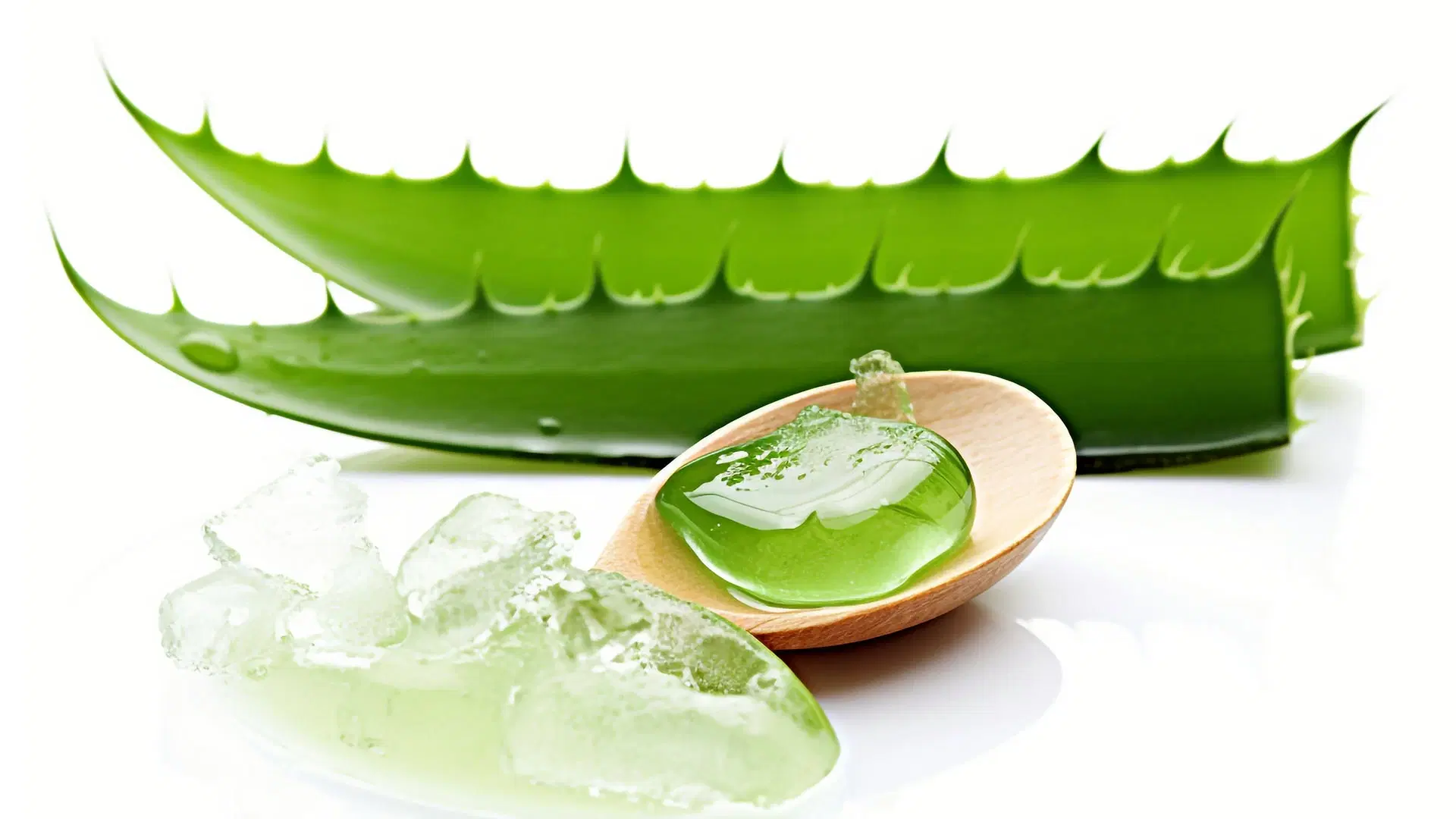
Aloe vera is celebrated for its cooling and hydrating benefits. Its soothing nature works well as a natural remedy for dandruff, especially for those with sensitive skin. Extract the fresh gel from an aloe leaf and smooth it over your scalp. Leave it in for about 30 minutes before washing your hair to allow the aloe to calm irritation and infuse moisture into the skin. This method is an effective form of natural scalp care that targets inflammation and dryness.
For a holistic approach to managing dandruff, you might consider herbal and organic remedies. These natural treatments not only address the symptoms but also work to restore your scalp’s overall balance. By using ingredients steeped in tradition and enriched by nature, these herbal dandruff solutions provide an organic scalp treatment that is both soothing and effective. Here are some remedies to consider for a more comprehensive care routine.
Neem leaves have been used for centuries due to their antifungal and antibacterial benefits. This herbal remedy lends itself well to treating dandruff caused by fungal infections. Start by boiling neem leaves in water, then let the mixture cool. Use this solution as a rinse for your scalp to reap its benefits. It helps reduce inflammation, combats fungal growth, and promotes a healthier scalp overall.
Coconut oil is a versatile staple for natural hair care for dandruff. Its deep moisturizing properties make it invaluable for combating dryness—a leading cause of dandruff. Gently warm the oil and massage it into your scalp. Enhanced by its natural composition, coconut oil penetrates deeply to hydrate and nourish, reducing visible flakes and fortifying hair strength.
Essential oils provide targeted solutions especially beneficial for those with dandruff remedies for sensitive skin. These oils work gently yet effectively to relieve itchiness and rejuvenate the scalp while giving you the added benefit of aromatherapy. Incorporating these into your routine can strike a balance between immediate relief and long-term scalp health.
Lavender oil is a favorite for its soothing aroma and mild antifungal properties. For an extra layer of care, blend a few drops of lavender oil with a carrier oil such as jojoba or almond oil. This mix works well to reduce irritation and help maintain a calm, balanced scalp. Its natural composition makes it a great asset in your collection of essential oils for dandruff, ensuring that even sensitive skin gets the gentle care it needs.
Peppermint oil is known for its invigorating, cooling effect that can help soothe an itchy scalp. Mix a few drops with your regular shampoo or blend it with a carrier oil for a refreshing scalp massage. This remedy not only reduces discomfort from itchiness but also helps stimulate your scalp, encouraging healthy hair growth. Embracing this natural approach can foster scalp hydration for dandruff and provide a refreshing boost to your natural hair care for dandruff routine.
Pro Tip: Combine Remedies for Maximum Effectiveness
Did you know that combining remedies can enhance their benefits? For example, blending tea tree oil with aloe vera gel creates a potent mixture that soothes irritation while effectively reducing dandruff-causing fungi. Experiment with these combinations to discover what works best for your unique scalp needs.
Beyond topical treatments, a few lifestyle adjustments can significantly improve your scalp’s health and help prevent the recurrence of dandruff. Balancing stress, maintaining proper hydration, and choosing the right hair products are foundational steps to holistic scalp care. These lifestyle changes align with the principles of natural, organic styling while ensuring a sustainable path to lasting hair and scalp health.
Stress can trigger an imbalance in your scalp's natural ecosystem. To counteract this, include activities that promote relaxation into your daily routine. Try mindfulness practices like meditation or gentle yoga sessions. Managing stress helps stabilize hormone levels which in turn supports overall scalp health and reduces the chances of flake formation.
A balanced diet plays a crucial role in how your skin and scalp respond to environmental stressors. Eating foods rich in omega-3 fatty acids, such as certain fish and nuts, and staying well-hydrated ensures that your scalp remains nourished. Drinking plenty of water and including nutrient-rich foods in your diet enhance the benefits of your natural scalp care practices for dandruff.
The products you use every day can either support or harm your scalp’s delicate balance. Switching to gentle, sulfate-free shampoos can greatly minimize the risk of irritation. Avoiding products with harsh chemicals, artificial fragrances, or alcohol ensures you continue to enjoy the benefits of organic scalp treatment while keeping your natural beauty unfazed.
You can try natural remedies like tea tree oil, aloe vera, and apple cider vinegar. These ingredients target the root causes of dandruff and promote healthy scalp care.
Natural ingredients such as tea tree oil and apple cider vinegar have antifungal properties that help reduce flakiness and soothe the scalp.
While mild dandruff may resolve naturally, consistent use of targeted natural treatments often yields better results for managing persistent cases.
Using coconut oil, aloe vera, and essential oils like lavender can deeply moisturize your scalp and alleviate dryness.
Yes, apple cider vinegar helps restore pH balance, cleanses the scalp, and soothes dryness, making it an effective natural remedy.
In summary, you have a variety of natural strategies to combat dandruff and promote a healthy scalp. From DIY solutions such as tea tree oil and apple cider vinegar to herbal treatments like neem leaves and coconut oil, each method supports your journey toward gentle, organic scalp care. Coupling these remedies with a balanced lifestyle enhances their effectiveness. Embrace these natural home remedies for dandruff and let your natural beauty shine through as you nurture both your hair and your spirit.