
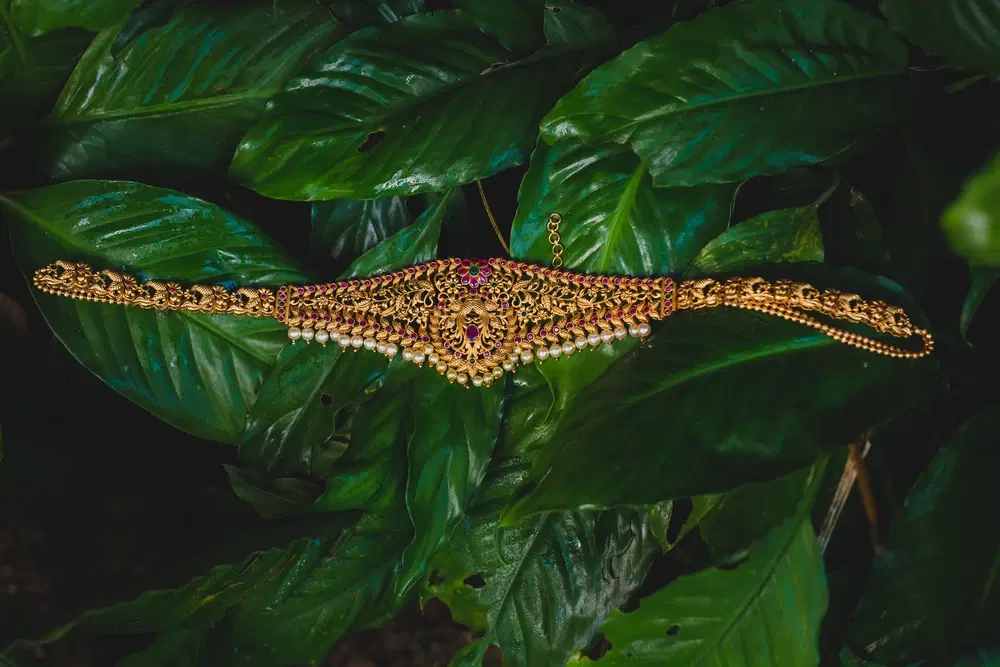
Kamarbandh, a timeless piece of waist jewelry, has graced the wardrobes of women across generations, blending tradition with modern flair. In this guide, we dive into the world of kamarbandh designs to explore the allure of both gold and silver options. You will learn about their cultural roots, versatility in style, and how each enhances your ethnic and fusion outfits.
Kamarbandh, also known as waist chains or waist belts, has been a symbol of elegance and prosperity across generations. Historically, these pieces were cherished by royalty and brides, embodying femininity and tradition. Today, they continue to charm with a unique blend of ethnic beauty and contemporary design, allowing fashion to become a form of self-expression and identity.
There is a wide range of kamarbandh designs to suit every style. Traditional waist belt designs often feature temple-inspired motifs, intricate engravings, and heavy embellishments that speak of rich heritage. Modern waist belt accessories, on the other hand, offer sleek and minimalist options that perfectly complement contemporary outfits. And for those special occasions, bridal kamarbandh styles—crafting opulent looks with gemstones, pearls, and kundan details—enhance your ethnic ensemble.
Traditional waist belt designs
Modern waist belt accessories
Bridal kamarbandh styles
Gold kamarbandh designs stand out due to their intricate detailing and warm, radiant appeal. These pieces are often crafted with floral motifs, delicate peacock engravings, and artistic coin designs that bring traditions to life. Ideal for pairing with sarees, lehengas, and bridal wear, gold waist belt patterns exude a mix of cultural heritage and contemporary luxury. They represent a long-standing tradition of opulence and are cherished as heirloom pieces that can be passed down over generations.
When you choose gold kamarbandh designs, you embrace a blend of history and modern elegance. The warm tones of gold enhance traditional attire and are particularly effective when worn with rich, ethnic ensembles. These designs are seen as investments, retaining their shine over time with minimal maintenance and symbolizing prosperity. They offer a refined look perfect for grand events and timeless celebrations.
Intricate gold waist belt patterns
Elegant floral and peacock motifs
Opulent design ideal for bridal occasions
Modern trends in gold kamarbandh designs include temple-inspired variations that feature deities and detailed carvings, minimalist gold bands for understated glamour, and layered gold pieces that add a dynamic look with pearls or gemstones. These elegant options allow you to express individuality while honoring tradition, making them popular waist jewelry for women who appreciate both legacy and modern aesthetics.
Silver kamarbandh designs offer a lighter, more versatile alternative to their gold counterparts. Characterized by oxidized finishes and delicate filigree work, these pieces are both affordable and elegant. Silver waist chain designs bring a contemporary edge to traditional looks while also serving as ideal accents for fusion wear. Their subtle charm makes them an excellent choice for daily wear and accessory experiments.
Silver kamarbandhs are loved for their versatility and hypoallergenic nature. These designs can seamlessly transition from ethnic occasions to modern gatherings, making them ideal for those who love mixing tradition with contemporary fashion. Easy to clean at home and comfortable for sensitive skin, silver kamarbandhs are a perfect match for modern waist belt accessories that suit various outfits and tastes.
Current trends in silver designs include oxidized chains that are perfect for boho and Indo-western looks. Contemporary pieces that integrate beads, charms, and enamel work are becoming popular, as are traditional silver patterns that feature detailed artisan craftsmanship. These options provide stylish waist belt trends that cater to both casual wear and festive occasions.
Gold kamarbandhs offer a regal, luxurious look which is ideal for weddings and grand traditional celebrations, while silver kamarbandhs provide a more subtle, graceful charm. When you select a piece, consider your outfit and the occasion—gold tends to enhance rich ethnic wear, whereas silver complements casual and semi-formal styles amazingly well, including trendy fusion looks.
Gold is known for its resistance to tarnish and maintains its vibrant shine with minimal effort, making it a low-maintenance yet high-value choice. In contrast, silver requires more regular polishing to prevent tarnishing. However, its easier cleaning process at home adds to its appeal for everyday wear. Both options have their merits and can be chosen based on your lifestyle and care preferences.
Gold kamarbandhs are a significant investment due to the intrinsic value of gold and their lasting appeal. They are often reserved for special occasions where tradition and luxury take center stage. On the other hand, silver kamarbandhs are budget-friendly, which makes them highly popular for daily wear and experimentation with ethnic waist chain ideas without compromising style.
Gold pieces are best paired with traditional attire such as sarees and lehengas, creating an opulent look. Silver designs, however, offer greater versatility. They can be paired with ethnic and fusion styles, making them perfect for everything from a traditional saree to a chic modern dress. This flexibility ensures that your style remains adaptable and fresh, echoing the aspirational brand experience Tata Neu is known for.
Insight Corner: Choosing the Perfect Kamarbandh for Your Style
When deciding between gold and silver kamarbandh designs, consider the occasion, your outfit, and personal preferences. Gold kamarbandhs are ideal for weddings and festive events, while silver designs are perfect for casual gatherings or modern looks. Your choice in kamarbandh not only enhances your attire but also reflects your unique sense of style and identity.
To showcase the elegance of gold kamarbandhs, pair them with a traditional saree or a pastel lehenga. A temple-inspired design can elevate a classic Kanjeevaram saree, perfect for a traditional South Indian bridal look. For a more understated appearance, opt for a minimalist gold band that adds just the right touch of sophistication to accentuate your waist and enhance overall style.
Silver kamarbandhs work wonderfully with both ethnic and modern outfits. They can add a chic, urban twist to a cotton saree or brighten a boho-chic maxi dress. Their delicate design makes them a subtle yet impactful accessory. With silver, you can experiment with layering over fusion outfits like skirts or crop tops to create an edgy look that stands out.
For those inclined towards fusion wear, layering your kamarbandh over dresses, skirts, or jumpsuits is a great way to showcase designer kamarbandh options that blend traditional motifs with modern aesthetics. Embrace stylish waist belt trends with pieces that offer both functionality and fashion-forward appeal, letting you express your personality while keeping it trendy and fresh.
Gold kamarbandhs are more luxurious and ideal for grand occasions, while silver designs are versatile, affordable, and suitable for casual and formal events alike.
Gold kamarbandhs are typically chosen for bridal wear because of their opulent design and strong cultural appeal.
Yes, silver kamarbandhs complement modern outfits such as dresses, skirts, and jumpsuits, offering a fusion look that remains stylish and graceful.
Gold kamarbandhs are excellent investments as they retain value over time and can serve as timeless pieces passed down through generations.
To maintain silver kamarbandhs, store them in an anti-tarnish pouch and clean them regularly with a silver polishing cloth.
Gold and silver kamarbandh designs each have their own unique charm and practical benefits. Gold pieces radiate opulence and perfectly match traditional attire, while silver offers a versatile, accessible option for casual as well as formal events. Understanding your personal style and the occasion will help you choose the ideal waist jewelry for women that not only complements your outfit but also expresses your individuality. Embrace the rich tradition of kamarbandh designs and let your style shine with confidence.
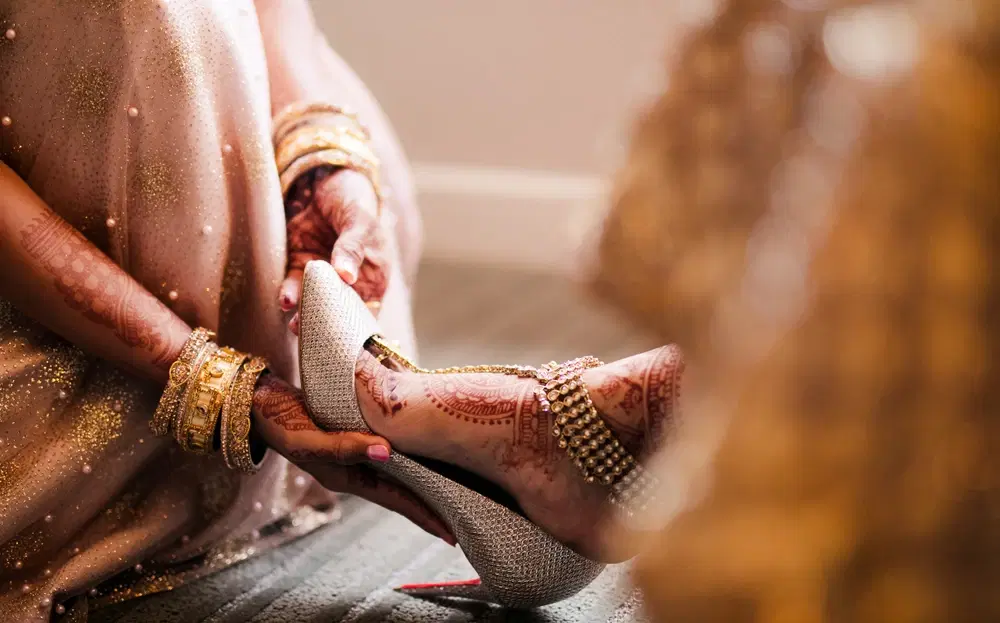
Traditional Indian footwear is not just about style; it's an expression of a rich cultural heritage that blends artistry, craftsmanship, and practicality. This guide is a friendly walkthrough that will help you understand and appreciate the nuances of ethnic footwear, be it for weddings, festive occasions, or daily wear. As you read on, you'll learn how to pick the perfect pair—from intricate Indian jutti designs to durable leather mojari—ensuring that your choice reflects both tradition and modern style.
Traditional Indian footwear is more than an accessory—it represents a cultural tradition passed down through generations. Every pair of handcrafted shoes tells a story of regional diversity and historical charm. The evolution of these shoes, from the ancient Paduka to modern embroidered sandals, showcases the seamless blend of culture and fashion. Different styles reveal regional uniqueness and are often deeply symbolic during ceremonies. For instance, Indian wedding shoes are celebrated not only for their aesthetics but also for the prosperity and tradition they represent.
Key aspects to consider include the evolution of these shoes over time and the diversity in crafting techniques seen across regions. Whether it is a pair of artisan-made footwear with delicate detailing or heritage footwear that speaks of the past, understanding these elements will enrich your choice and add character to your outfit.
Selecting the perfect pair involves careful evaluation of the craftsmanship, materials, and design elements that define traditional Indian sandals and other cultural footwear styles. Many of these pieces are artisan-made, ensuring that each pair is a masterpiece of intricate embroidery and traditional techniques. Popular choices include leather mojari and fabric-based juttis which offer both comfort and a stylish finish. When selecting your pair, keep in mind the need for both aesthetics and durability. High-quality materials and meticulous stitching not only ensure longevity but also enhance the overall charm. Ensuring a comfortable fit is essential, as traditional footwear is often enjoyed during long celebrations or extended wear on festive days.
Consider these points while shopping:
Seek out artisan-made footwear for genuine craftsmanship.
Examine the materials used, such as leather mojari and embroidered sandals.
Prioritize comfort, fit, and long-lasting quality.
These factors guarantee that your footwear complements both your outfit and your lifestyle.
There is a wide range of styles that define traditional Indian footwear, each with a unique look and feel. Delve into various designs, from the versatile juttis and mojari to the sturdy Kolhapuri chappals, and even the culturally significant Paduka shoes. These styles cater to different occasions and personal tastes, making them an ideal choice whether you're dressing casually or for a formal event.
Juttis and mojari are timeless options characterized by flat, slip-on designs. They stand out for their intricate embroidery which can range from minimalistic accents to full-on ornate patterns. These handcrafted shoes offer an excellent balance between tradition and contemporary style, making them perfect for festivals, weddings, or even everyday ethnic wear.
Renowned for their robust leather construction and open-toe design, Kolhapuri chappals are a timeless classic. They boast handcrafted leatherwork combined with braided straps, providing a trendy yet resilient option that pairs well with casual ethnic attire and Indo-western styles.
Paduka shoes are one of the oldest forms of Indian footwear. Known for their simplicity and cultural depth, these shoes were once favored by sages and royalty. Today, they have become a decorative choice that represents both spirituality and tradition, offering a subtle nod to India’s rich past.
Embroidered sandals combine comfort with ornate detailing, making them ideal for festive occasions. These sandals are crafted using fabric and often decorated with beads and thread embroidery. Their versatility lets you pair them with both traditional and fusion outfits seamlessly.
Did You Know? The Legacy of Mojaris
Mojaris originated during the Mughal era and were once worn by royalty as a symbol of opulence. Today, these handcrafted shoes are created using techniques that have been refined over generations, making each pair a unique work of art.
Pairing the right traditional Indian footwear with your outfit can elevate your look and add authenticity to your style. For weddings and festive events, opt for heavily embroidered juttis or intricately detailed leather mojari that enhance the overall elegance of your attire. Many Indian wedding shoes feature gold or silver accents, hinting at a regal charm that complements traditional garments like sherwanis, sarees, and anarkalis. For more casual occasions, the versatile Kolhapuri chappals or embroidered sandals offer a relaxed yet stylish look that pairs well with both ethnic and fusion styles. Paying attention to color coordination is also crucial; a well-matched or contrasting palette can bring balance and enhance the outfit's appeal.
This thoughtful approach to styling ensures that your footwear not only protects your steps but also narrates your personal story of cultural pride and modern style. Choose wisely to showcase both tradition and current fashion trends in every step.
Shopping for traditional Indian footwear is an art that involves discerning quality, authenticity, and a perfect fit. To make an informed decision, consider purchasing from trusted sellers who are known for their integrity and artisan expertise. Carefully inspect the craftsmanship—look at the stitching, embroidery, and the overall material quality. Understanding the specific size variations in ethnic footwear is key, so always try them on if possible or refer to a detailed size chart for guidance. Additionally, learning proper care instructions can help maintain the beauty and longevity of your handcrafted shoes, ensuring they remain a cherished part of your wardrobe for years to come.
Juttis, mojari, Kolhapuri chappals, Paduka shoes, and embroidered sandals are among the most popular styles.
Ensuring a snug fit is key. Try them on when possible or refer to the seller's size chart as traditional sizing may vary.
Handmade shoes typically offer superior craftsmanship, unique designs, and an authentic cultural aesthetic.
Popular materials include leather for mojari and Kolhapuri chappals, as well as fabric for juttis and embroidered sandals.
Yes, many styles like juttis and Kolhapuri chappals can beautifully complement jeans, skirts, and Indo-western fusion looks.
Traditional Indian footwear is a beautiful testament to India’s rich cultural heritage and evolving fashion trends. It combines heritage with modern functionality through artisan craftsmanship and thoughtful design. By understanding key features, exploring various styles, and considering essential tips, you can confidently choose a pair that enhances your outfit while staying true to tradition. Embrace these unique footwear pieces to showcase both your cultural pride and innovative sense of style, reflecting the aspirational and vibrant experience that characterizes a true Made in India spirit.
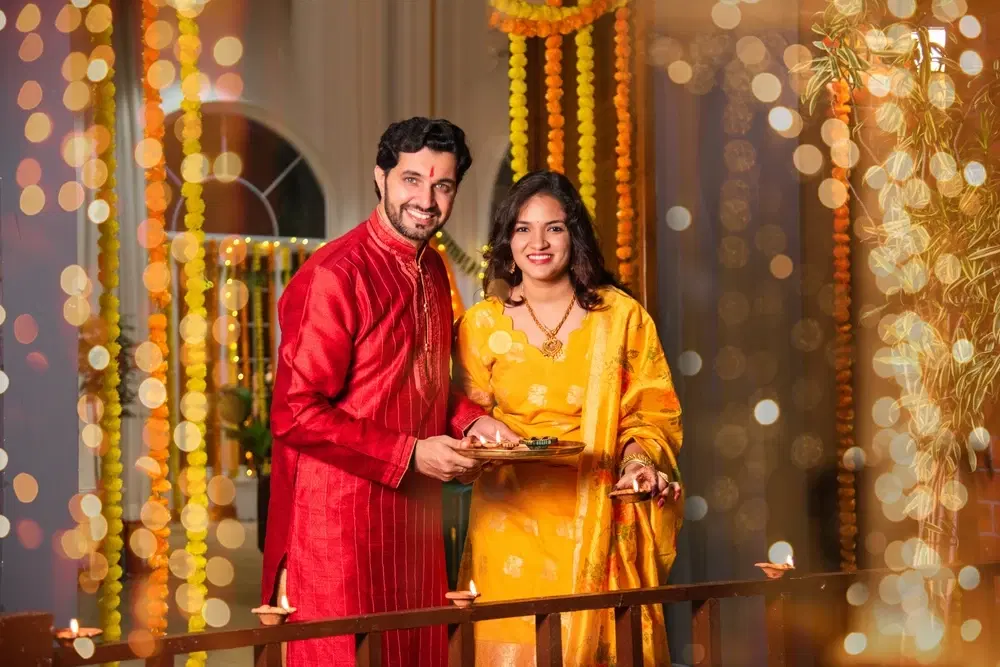
Indian fashion is a vibrant expression of culture, identity, and personal style. When choosing between indian ethnic wear and Western outfits, it is important to celebrate the unique charm of both. This article explains the key differences, highlights the rich heritage behind traditional Indian clothing, and offers insights to mix and match these styles for every occasion.
Indian ethnic wear is a celebration of tradition and heritage. It includes timeless pieces such as sarees, salwar suits, lehengas, kurtas, and sherwanis. These outfits are designed with rich fabrics like silk, cotton, and velvet, reflecting an artistic legacy through intricate embroidery and embellishments. Indian ethnic wear often showcases:
Vibrant hues paired with detailed beadwork and mirror work.
Regional touches like the Banarasi silhouettes or Kanjeevaram drapes.
Styles that range from ethnic outfits for women to elegant Indian wedding attire.
Indian ethnic outfits are a perfect match for celebrations and special events. Whether it is a festive gathering, a wedding or a cultural event, these dresses create a regal impression. Bridal lehenga designs and Indian festival dresses stand out during ceremonies and festivals. In addition, designer ethnic wear options now combine comfort with tradition, catering to different weather conditions and personal styles.
Western outfits often focus on minimalism and modern aesthetics, offering a refreshing alternative to elaborately adorned ethnic pieces. Emphasizing clean lines and neutral tones, Western ensembles include sleek dresses, tailored suits, and casual separates. The ease of movement and understated elegance of these outfits makes them ideal for day-to-day wear, making them a versatile part of any wardrobe.
Western attire is loved for its versatility. It seamlessly transitions from casual outings to formal dinners. With the growing popularity of Indo-Western fusion styles, casual ethnic wear that mixes traditional prints with modern cuts is appealing to those seeking comfort and style combined. This style transformation allows fashion enthusiasts to blend ethnic outfits for women with contemporary silhouettes for a balanced look.
Indian ethnic wear brings a touch of opulence with its intricate craftsmanship and rich detailing. The layered embellishments and vibrant aesthetics are perfect for grand celebrations and cultural events. In contrast, Western outfits maintain a clean and refined look, emphasizing simplicity and modern design. The contrast between elaborate and minimalistic is what makes each style unique, allowing wearers to express their mood and personality through their outfit choices.
While traditional ethnic outfits might involve heavier fabrics and detailed work, they are designed to make a statement during special events. Western outfits, however, prioritize lightweight materials and functional cuts. Today, designer ethnic wear is bridging the gap by integrating comfort and modern design without compromising tradition. This evolution in both worlds invites everyone to experiment and find a style that suits both comfort and aesthetics.
Insight Corner: The Evolution of Indian Ethnic Wear
Did you know that Indian ethnic wear has evolved from traditional handwoven fabrics to contemporary designer pieces? This fusion of timeless appeal with modern trends has made ethnic outfits more versatile and appealing to younger generations.
Completing a traditional look is all about the right accessories. Indian ethnic jewelry such as jhumkas, bangles, and maang tikka add sparkle and charm to any outfit. These ethnic accessories for women often include gold, silver, or gemstone details that elevate traditional ensembles like party wear sarees or bridal lehenga designs.
Western accessories focus on minimalist appeal with stud earrings, sleek watches, or a chic clutch bag. For those who love to experiment, fusion accessories offer the chance to play with both realms. Pair a traditional saree with a statement belt or balance a lehenga with modern sneakers to set your style apart. This blend of modern and traditional underscores the versatility of Indo-Western fusion pieces, making everyday fashion both exciting and practical.
When choosing your outfit for an event, think about the occasion, weather, and your personal style. For a wedding or a festive event, outfits like bridal lehenga designs or Indian festival dresses provide grandeur. If you are heading out for a casual day or a corporate event, Western outfits or hybrid Indo-Western fusion looks can be ideal. Consider these factors:
Occasion – special events may call for traditional pieces, while everyday events might be best served by more casual ethnic wear.
Season – lightweight cotton for warmer seasons and richer fabrics for cooler weather.
Personal expression – choose the look that reflects your individuality, whether that be vibrant cultural heritage or modern simplicity.
In the ever-evolving world of fashion, the balance between tradition and modernity is celebrated. Embrace the best of both worlds by experimenting with your wardrobe, letting your personal style shine through each carefully chosen piece.
Indian ethnic wear is deeply rooted in cultural heritage, featuring intricate designs and vibrant colors, while Western outfits focus on simplicity and practicality.
Yes, casual ethnic wear like kurtas and light sarees can be styled creatively for everyday outings.
Ethnic accessories for women, such as jhumkas, bangles, and maang tikka, enhance the beauty of traditional outfits.
Indo-Western outfits blend traditional design elements with modern styles, making them a versatile choice that embraces both worlds.
For weddings, traditional choices like bridal lehenga designs and party wear sarees are ideal, while Western outfits may suit pre-wedding or casual celebrations.
Indian ethnic wear and Western outfits each bring a unique perspective to the world of fashion. Embracing tradition with intricately designed pieces or opting for modern minimalist styles depends on the event, the weather, and personal taste. The charm of traditional Indian clothing lies in its rich heritage and artistic allure, while the simplicity of Western fashion defines contemporary chic. By understanding and celebrating both styles, fashion enthusiasts can enjoy a versatile wardrobe that evolves with every occasion.
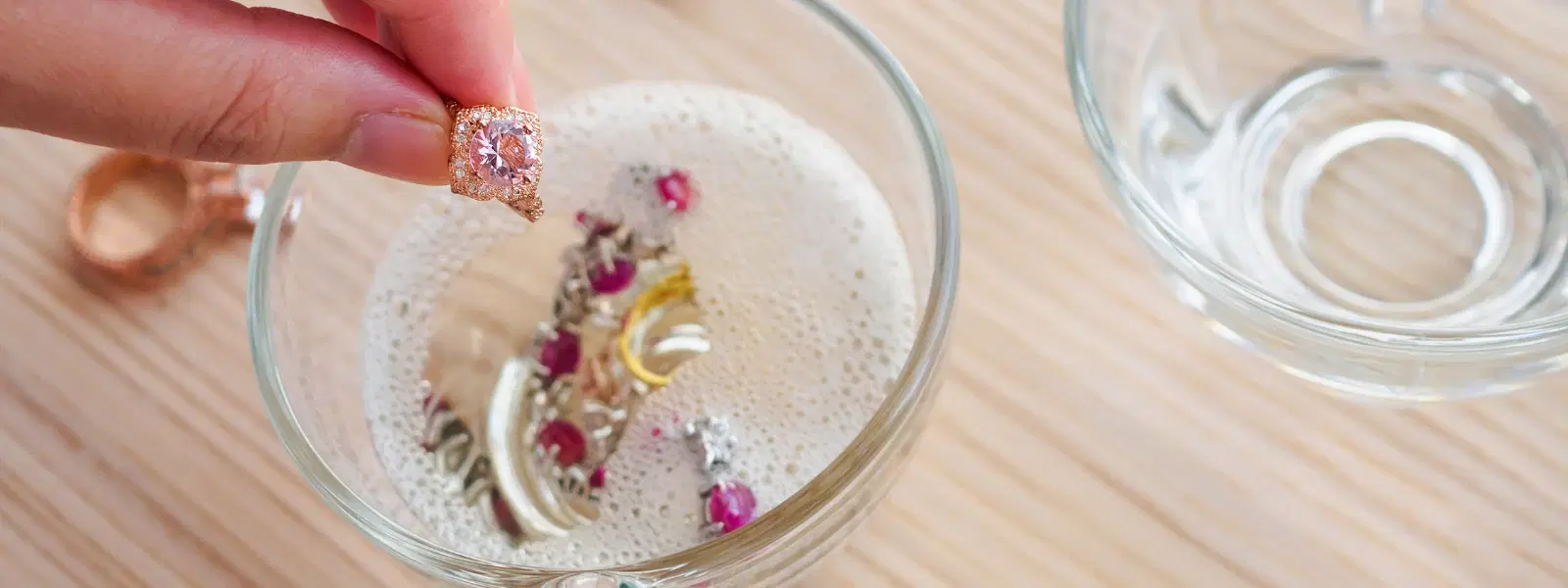
Oxidized jewelry can lose its charm over time. Dull, tarnished pieces can seem to fade away even though they hold a special style. In this guide, you will learn how to clean oxidized jewelry with easy DIY methods. We will walk you through steps to restore shine to jewelry and give your accessories a fresh look. Whether you have silver, gold-plated, or costume jewelry, these simple methods use common household items to remove oxidation from accessories and bring back their sparkle.
Oxidation in jewelry is a chemical reaction between the metal and the air. It creates a layer of tarnish that can dull the overall look of your piece. Metals like silver, brass, and copper are especially prone to tarnishing. Even gold-plated pieces may experience this challenge over time. The process often occurs due to exposure to both air and moisture, which leads to a gradual loss of the accessories' shine.
Several factors cause jewelry to tarnish. These include constant contact with skin oils, lotions, and perfumes. Lack of proper storage, such as keeping jewelry in damp or unsealed conditions, also speeds up the oxidation process. Recognizing these factors helps you understand how to better care for your precious items and adopt the best jewelry cleaning tips to shine dull jewelry.
Before you start cleaning, it is important to assess the condition of your jewelry. Look for darkened or dull areas that indicate oxidation. You might notice greenish or bluish spots, which are common in copper-based metals. If your piece has lost its shine or luster, it may be time to engage in some cleaning tarnished jewelry methods. Understanding these signs will help you decide which cleaning trick to use for polishing silver jewelry or other metals.
For most DIY jewelry cleaning methods, you will need a few key items. Simple ingredients can be very effective when it comes to natural ways to clean jewelry. Items like baking soda, aluminum foil, white vinegar, and mild dish soap are popular choices. Some people also use a small amount of toothpaste or a soft-bristle toothbrush to gently polish the surface. Let these household items become your trusted allies in your journey to restore shine to jewelry.
The range of supplies makes it easy for anyone to start cleaning tarnished accessories at home. Choose the method that best suits the metal type of your jewelry. It’s essential to be cautious and avoid abrasive materials that might scratch delicate surfaces. Always test any solution on a small, hidden area first to ensure compatibility.
Before diving into cleaning, observe a few simple safety steps. First, avoid harsh or abrasive materials, which could do more harm than good. Protect your precious items by testing each cleaning solution on a small hidden spot. Also, separate costume jewelry from more delicate fine pieces, as each type requires a different approach. By following these safety tips, you ensure that your cleaning process remains efficient and gentle on your jewelry. This way, you enjoy the benefits of how to clean tarnished accessories without the worry of accidental damage.
This method is highly recommended for cleaning tarnished jewelry, especially silver or copper items. Begin by lining a bowl with aluminum foil. Mix one tablespoon of baking soda with enough hot water to cover your jewelry. Place your jewelry in the solution, letting it sit for 2 to 5 minutes. The chemical reaction with aluminum foil helps to restore shine to jewelry and remove oxidation effectively. After soaking, rinse the jewelry thoroughly with water and dry with a soft cloth to avoid scratches.
A vinegar solution works wonders when you need to remove stubborn tarnish. Mix equal parts of white vinegar and water in a bowl. Soak your jewelry in the solution for 10 to 15 minutes. Once the tarnish begins to break down, gently scrub the piece using a soft-bristle toothbrush. Rinse well with water and pat dry using a soft cloth. This method is a quick and effective way to clean oxidized jewelry and polish silver jewelry or other metals without harsh abrasives.
If you are looking for another easy method, try using non-gel toothpaste. Apply a small amount to a soft cloth and gently rub the jewelry in circular motions. This helps to remove minor tarnish and brighten your jewelry. After polishing, rinse the jewelry thoroughly with warm water and dry it completely with another soft cloth. This method is ideal for those moments when you want how to clean tarnished accessories quickly and effectively.
For those pieces with heavy oxidation or when DIY methods do not meet your expectations, consider using commercial jewelry cleaners. These store-bought products are designed to target stubborn oxidation removal for fashion jewelry. Always follow the instructions provided on the packaging to ensure you do not damage your jewelry. This method is particularly useful when natural ways to clean jewelry have not fully restored the shine of your items.
Pro Tip: Extend the Life of Your Jewelry
Did you know that polishing your jewelry with a microfiber cloth after each wear can significantly reduce oxidation? Regular maintenance keeps your accessories looking brand new for longer.
Keeping your jewelry in pristine condition does not end with cleaning. Proper storage is essential to prevent future tarnish. Store your jewelry in airtight containers or zip-lock bags. You can even use anti-tarnish strips or silica gel packets to absorb excess moisture. Ensure that your precious accessories are kept away from direct sunlight and high humidity, which are major culprits for oxidation. This careful approach helps in maintaining your jewelry’s allure over time.
Additionally, maintaining separate storage for different types of jewelry can keep them protected. Fine jewelry may require a different care routine compared to costume pieces. Adapt these storage tips based on the material and value of your accessories to ensure they always shine bright and become a genuine expression of your personal style.
Regular cleaning is key to preventing tarnish. A quick wash with mild soap and water can go a long way in keeping your jewelry vibrant and on trend. Avoid wearing your jewelry during activities like workouts or swimming, where exposure to chemicals and water can speed up oxidation. Applying perfumes and lotions before putting on your jewelry minimizes direct contact and reduces the risk of tarnishing. Adopting a regular maintenance routine not only helps in cleaning tarnished jewelry but also preserves their original look, ensuring your accessories always stand out as a statement of fashion and personal identity.
It is best to clean your jewelry every few months or when you notice the beginning of tarnish. Regular care prevents heavy oxidation.
Yes, but be cautious with soaking costume jewelry for too long, as adhesives or plating might be affected. Use gentle methods like a soft cloth or a dab of toothpaste.
Baking soda is generally safe for most metals. However, avoid it on delicate stones or pearls to prevent scratching.
Use a mild soap and water solution. Avoid abrasive cleaners to preserve the plating on gold pieces.
If stubborn tarnish remains, consider professional cleaning or using a specialized product designed for your specific metal type.
Cleaning oxidized jewelry does not have to be overwhelming. With the DIY methods explained throughout this guide, you can restore the shine to your favorite accessories effectively at home. Whether you choose a natural approach with baking soda or a gentle toothpaste polish, regular care is the secret to keeping your jewelry vibrant and stylish. Taking a moment to store them properly and following simple maintenance tips ensures that your jewelry remains a beautiful reflection of your style and identity.
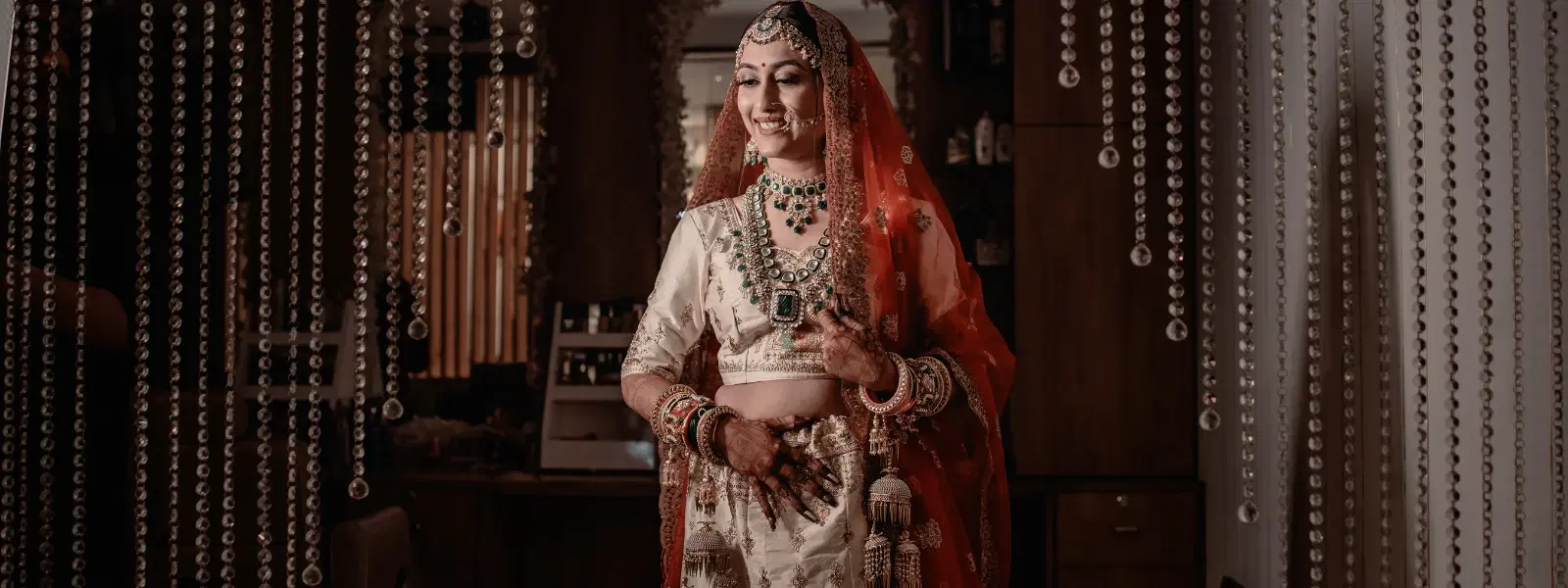
Indian weddings burst with tradition, color, and emotion. The mandap, a sacred altar, sets the stage for unforgettable moments. Today, we explore how to pair mandap decor with exquisite Indian bridal accessories. Learn how to balance the vibrancy of traditional decor with your striking bridal attire to create a harmonious and memorable celebration.
The mandap is far more than a decorative framework. It is a sacred space that holds deep cultural meaning, symbolizing the union of souls and the blessings of deities. This revered structure reflects regional customs and family traditions, creating an ambiance filled with spirituality and personality. Whether the setting is resplendent with traditional marigolds or modern pastel drapes, every element of the mandap contributes to the wedding’s narrative.
Mandap decor can be envisioned through several important elements. Designers often use sturdy structures like wooden, metal, or bamboo frames to form the base. Decorative themes include lush floral arrangements, draped fabrics, and carefully curated lighting to set the mood. The color palette is essential, ranging from classic red, gold, and yellow to modern pastels and whites. In addition, regional variations bring uniqueness: South Indian mandaps might include banana leaves, while North Indian setups typically feature marigold garlands paired with intricate designs.
It is essential to create a coordinated aesthetic between the mandap decor and your bridal attire. For instance, red and gold bridal lehenga styles naturally accompany a mandap embellished with marigolds and rich drapes. Pastel outfits, on the other hand, bring out the charm in modern mandaps with white drapes and floral chandeliers. For South Indian weddings, lush silk sarees paired with temple jewelry harmonize perfectly with banana-leaf garlands and traditional decorations. This thoughtful color matching ensures that every detail resonates with the overall theme of the celebration.
Regional touches make a significant impact on your wedding setup. In South Indian weddings, the combination of gold and white sarees with mandaps adorned by jasmine and lotus flowers creates an ethereal ambiance. Gujarati weddings bring vibrancy with mirror-work lehengas and mandaps layered in colorful fabric drapes and fairy lights. Similarly, Bengali weddings use the classic red-and-white saree along with mandap decor featuring red roses and white lilies to maintain a seamless cultural narrative. Such alignment of traditional Indian wedding attire with the decor elevates the entire experience.
Jewelry acts as a linchpin that ties the mandap decor with the bridal look. Wedding jewelry for Indian brides, including statement maang tikkas, necklaces, and intricate bridal bangles for Indian weddings, enhances the overall decor theme. Gold temple jewelry is a classic choice that resonates with most floral setups in the mandap, while diamond and kundan sets add a touch of modern sparkle. Even the best indian groom sherwani designs can be accentuated by aligning with the mandap's motifs, resulting in an overall balanced and cohesive appearance.
Every accessory counts when aiming for a cohesive wedding look. Indian wedding footwear for brides, such as intricately embroidered juttis or mojris, compliment the rich detailing of the mandap. Additionally, indian wedding clutch bags, often embellished with pearls or zari work, echo the luxurious accents present in the decor. These small yet significant details ensure that every element of the bridal ensemble works in perfect harmony with the enchanting mandap design.
Your bridal accessories can act as an extension of the mandap’s decor. If the mandap features delicate floral motifs, consider accessories with petal-shaped embellishments or floral-inspired jewelry to create a unified theme that narrates your personal style story.
Couples today seek a blend of the classic and the contemporary. For those who opt for modern mandap designs with sleek geometric patterns and minimal decor, choosing traditional Indian bridal attire with subtle contemporary touches works wonders. Alternatively, with traditional mandaps, ethnic wear for Indian weddings featuring intricate embroidery and bold colors stand out beautifully. This balance between traditional elements and modern trends is key to creating a wedding that reflects both heritage and current style.
The charm is in the small details. From ensuring that the bridal bangles for Indian weddings perfectly match the mandap’s color scheme to using coordinated floral accents in the bride’s hair, every detail contributes to the cohesive aesthetic. Even small touches like a groom’s pocket square or the delicate pairing of traditional indian wedding sarees with rich lamp-lit mandaps enhance the overall visual narrative of the celebration.
Seasonal influences play a vital role in shaping your wedding theme. For a summer celebration, light fabrics and pastel tones create an airy look that resonates with the freshness of the season. On the other hand, winter weddings welcome the rich textures of velvet and deeper color palettes, adding warmth and elegance to both the mandap and bridal attire. Thoughtfully integrating seasonal trends ensures that your decor and attire remain in sync with the overall ambiance.
When it comes to indian bridal lehenga styles, the right mandap decor can elevate the look. Heavily embellished lehengas are best paired with ornate mandaps featuring chandeliers and indulgent gold draping. For those opting for a simpler lehenga design, a minimalist mandap with a monochromatic floral theme provides a subtle yet stunning backdrop. This pairing not only highlights your attire but also enhances the overall aesthetic appeal of the setting.
Traditional indian wedding sarees like the Kanjeevaram with gold borders look breathtaking when set against mandaps filled with classic marigolds and traditional lamps. Likewise, Banarasi sarees in vibrant jewel tones can be perfectly matched with mandaps featuring rich red roses and vibrant green foliage. Such coordination between saree styles and wedding decor ensures every element of the celebration resonates with authenticity and elegance.
Contemporary brides often choose fusion outfits, such as Indo-western lehengas, and these can be complemented by modern mandap designs. Clean lines, metallic accents, and subtle lighting set the stage for an event that is both trendy and sophisticated. The fusion of modern elements with traditional symbols not only highlights the uniqueness of your choice but also emphasizes the growing trend of self-expression in fashion.
Select a mandap with a color palette and decorative elements that align with the dominant hues and motifs of your lehenga. This creates a seamless look that celebrates both tradition and style.
Popular themes include floral mandaps, traditional setups with marigold garlands, and modern designs with pastel drapes and delicate fairy lights.
Yes, the groom’s attire can incorporate colors and motifs from the mandap decor, ensuring a balanced and unified aesthetic for both partners.
Focus on accessories like indian bridal accessories including wedding jewelry for Indian brides, brides' footwear, and indian wedding clutch bags that reflect the decor’s color and style.
South Indian weddings often feature mandaps with banana leaves, jasmine flowers, and traditional temple decor elements, perfectly aligning with regional bridal attire.
Pairing mandap decor with Indian bridal accessories marries tradition with contemporary style and ensures that every detail is in harmony with the overall wedding theme. A thoughtfully designed mandap, coupled with well-chosen bridal attire and accessories, creates a celebration that is as visually stunning as it is culturally rich. Embrace the art of coordination to bring out the best in your wedding setup and enjoy an experience that is both memorable and uniquely your own.
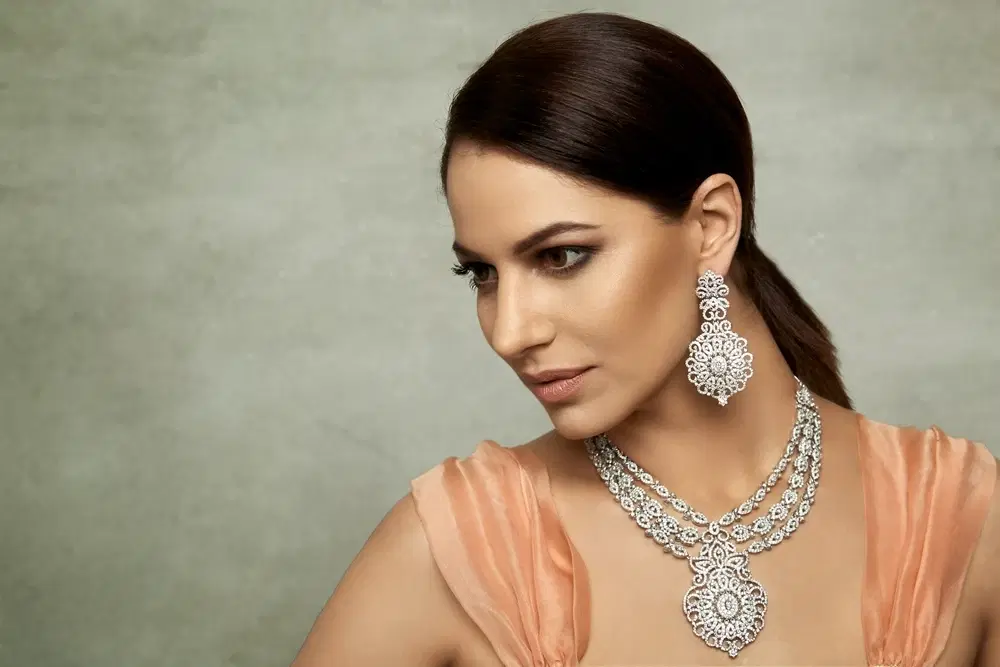
Indian traditional earrings are more than just accessories—they are timeless pieces of art that add elegance and cultural charm to any outfit. In this guide, you will learn practical styling tips and ideas to effortlessly pair these stunning pieces with your everyday and festive looks. By the end, you’ll be equipped with expert insights and a newfound confidence to showcase the beauty of ethnic earrings with your unique style.
Indian traditional earrings come in diverse designs that reflect the rich heritage and skilled craftsmanship made in India. Each style serves as a statement of self-expression and identity. From the intricate details of handcrafted Indian earrings to the vibrant splendor of gold plated Indian earrings, every pair tells a story of artisanal legacy and modern style. The designs range widely, ensuring that everyone finds a pair that resonates with their personality and the aspirational brand experience Tata Neu stands for, emphasizing freshness and on trend fashion.
The world of traditional indian jewelry is filled with a variety of styles, each offering a distinct appeal. Here are some popular types:
Jhumkas: These bell-shaped earrings are ideal for festive occasions and weddings, adding a playful yet elegant touch.
Chandbali: With their crescent design, these earrings exude grace and pair beautifully with ethnic attire.
Kundan Earrings: Known for their intricate designs featuring polished gemstones, they are perfect for bridal wear and celebratory events.
Antique Earrings: Vintage-inspired designs that often feature oxidized metals or temple motifs, ideal for those who appreciate unique, storied pieces.
Gold-Plated Earrings: A luxurious yet affordable option that elevates any traditional event look.
Silver Earrings: Versatile and understated, they work well for casual ethnic looks and everyday wear.
Many of these creations are handcrafted using premium materials like gold, silver, pearls, and precious gemstones. Techniques such as filigree, meenakari, and jadau bring out detailed textures, making each pair not just an accessory but a piece of art. These traditional indian earrings represent the blend of time-honored techniques with modern design sensibilities, reflecting a commitment to quality and responsible fashion that echoes the values of Tata Neu, a destination brand across all categories.
Pairing the right earrings with your outfit is key to achieving a cohesive and stylish look. Whether you are preparing for a festive celebration or simply adding a touch of elegance to your everyday wardrobe, consider both the design of your earrings and the overall style of your outfit. Tata Neu’s curated collections offer 100% exclusive private labels that blend heritage with modern appeal, ensuring every accessory feels both fresh and aspirational.
Festive occasions call for bold statements and intricate details. Opt for statement pieces like traditional jhumka earrings or elaborate kundan earrings designs to complement rich ethnic ensembles. Pairing gold plated Indian earrings with silk sarees or brocade lehengas not only elevates your look but also resonates with the ethos of Indian ethnic accessories made with a touch of Tata Trust quality.
For daily wear, simplicity and comfort are key. Consider wearing understated silver Indian earrings or modest antique Indian earrings with your cotton kurtas or casual printed dresses. These pieces offer a subtle finish that complements minimalistic designs while ensuring you still carry a spirit of ethnic elegance wherever you go.
When it comes to weddings and bridal festivities, intricate and ornate pieces become the centerpiece of your ensemble. Indian bridal earrings like large chandbalis or hefty jhumkas add a regal touch to your bridal attire. To complete the look, coordinate these with other Indian ethnic accessories such as maang tikas and matching necklaces, ensuring a harmonious and captivating appearance on your special day.
The right hairstyle and makeup can dramatically enhance the beauty of your earrings. It is important to create a balanced look that allows your earrings to shine as the main accessory, while still maintaining overall elegance and style. Tata Neu’s diverse offerings encourage versatile styling, whether you are looking for a fresh, modern perspective or a traditional embrace.
Hairstyles play a crucial role in framing your face and spotlighting statement accessories. Updos like neat buns or braids work exceptionally well with heavy earrings such as jhumkas or chandbalis, ensuring the focus remains on the intricate details of the jewelry. Meanwhile, lighter and looser hairstyles pair perfectly with smaller, subtle designs, creating a balanced look that is both modern and culturally rich.
When opting for bold and detailed designs like kundan earrings designs, it is advised to keep makeup minimal to let the jewelry stand out. Soft, natural makeup with a hint of shimmer or gold accents helps in achieving a balance. For traditional looks, subtle makeup with a focus on enhancing natural features can work wonders, making sure that your chosen earrings remain the highlight of your overall style.
Beyond the basics, embracing a mix of modern and traditional vibes through your styling choices can create a fusion look that is both trendy and culturally significant. The world of traditional indian jewelry offers endless possibilities for mixing and matching. Embracing the rich legacy of handcrafted indian earrings while experimenting with modern silhouettes can create a look that is all your own and truly reflective of who you are.
Combine traditional designs with contemporary flair by pairing these earrings with outfits like a stylish jumpsuit or a modern blazer. This approach not only highlights the intricate designs of antique indian earrings but also adds a unique twist to your everyday wear. The blend of comfort, style, and cultural heritage allows you to carry an aspirational brand experience that is synonymous with convenient access across stores and digital channels provided by Tata Neu.
Accessorizing can be fun when done right. Coordinate your earrings with other pieces such as Indian ethnic accessories like bangles or a chic clutch. However, it is important to avoid overloading with too many pieces. Let your earrings be the star of your ensemble while the subtle additional accessories create a well-balanced and sophisticated look.
Expert Tip
Did You Know? The shape of your face can influence which earring style suits you best. Chandbalis add width to long faces, while jhumkas complement round faces by elongating the look. Choose earrings that enhance your natural features for a flattering effect.
Proper care is essential to preserve the beauty and longevity of your Indian traditional earrings. With the right cleaning and storage practices, your treasured pieces can remain in pristine condition for years. This is especially important for handcrafted earrings that hold a deep cultural significance and are a part of India's rich artisan legacy.
Always clean your earrings with a soft, lint-free cloth. For gold plated Indian earrings, avoid exposure to moisture and perfumes as these can damage the plating. It is recommended to store each pair in individual compartments or soft pouches to prevent scratches and unwanted tarnish. Following these simple steps ensures that your antiques and bold statement pieces continue to add a touch of elegance and freshness to your style.
Handcrafted Indian earrings deserve gentle care to maintain their intricate details. Keep them away from direct sunlight to prevent fading, and consider using anti-tarnish strips for silver Indian earrings to keep them looking bright and new. This thoughtful care routine ensures that every piece retains its natural shine and remains a symbol of cultural pride and responsible fashion.
Determine your face shape first—round faces benefit from elongated designs like jhumkas, while oval or long faces look great with wider styles like chandbalis.
Yes, pairing ethnic earrings for women with Western outfits creates a chic fusion look. Opt for subtle designs like antique or silver earrings to maintain balance.
Updos such as buns or braids are ideal because they highlight the earrings while keeping the look elegant and uncluttered.
Gently wipe them with a soft, damp cloth and avoid using abrasive materials that could damage the plating.
Yes, they are durable with proper care, including regular cleaning and careful storage.
Indian traditional earrings are versatile accessories that transform your outfit into a statement of passion and cultural heritage. By understanding the different types, pairing them thoughtfully with your attire, and caring for them properly, you can effortlessly showcase these timeless pieces. Whether you opt for bold jhumkas, intricate kundan earrings designs, or subtle silver Indian earrings, each piece lets you express your identity with vibrancy and sophistication. Embrace the fusion of tradition and modernity, and let your style reflect the art and soul of Indian ethnic accessories while enjoying a fresh, aspirational brand experience that truly embodies Tata Neu's commitment to fashion and quality.
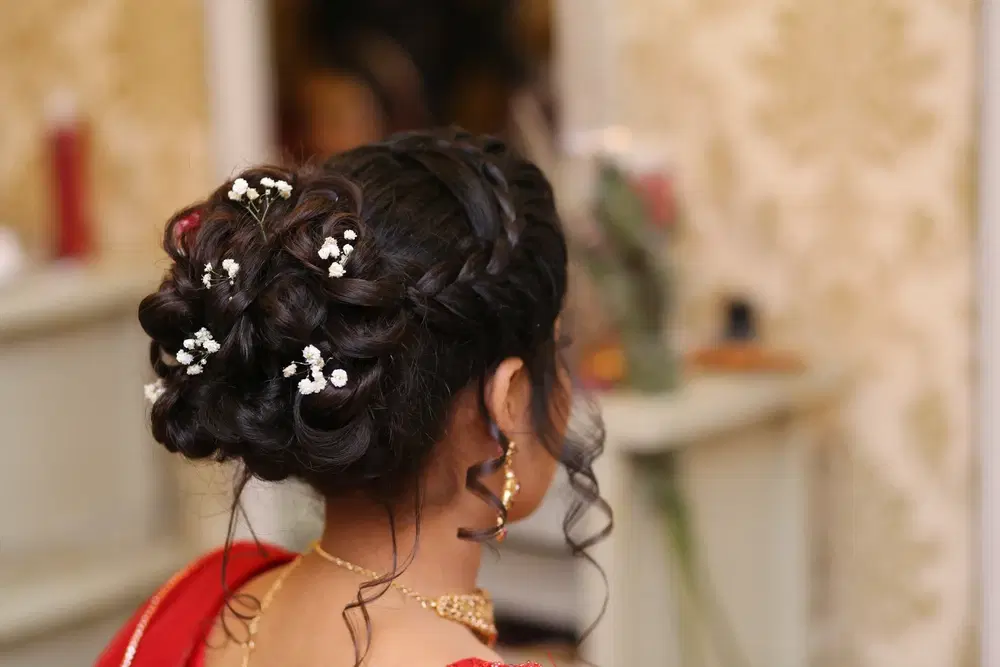
Indian bridal hair accessories are more than just adornments—they are a celebration of tradition, culture, and elegance. In this guide, you will learn how to perfectly style your Indian bridal hair accessories to elevate your look and embrace your cultural heritage with a modern twist. Get ready to explore everything from traditional bridal hair ornaments to modern hair headpieces for Indian weddings, and discover how to create a harmonious and stunning bridal look.
Indian bridal hair accessories come in many beautiful forms, each carrying its own cultural significance and charm. For many brides, accessories such as Indian bridal maang tikka are essential to complete the look. You can choose from an array of pieces, including:
Maang Tikka: This timeless accessory sits elegantly at the center of the forehead, often embellished with kundan, pearls, or pure gold, reflecting the rich traditions of Indian wedding hair jewelry.
Matha Patti: A broader version of the maang tikka, framing the forehead with intricate detailing that adds sophistication and balance.
Jada Billalu: Traditional South Indian hair jewelry perfect for decorating braids, creating a regal look.
Hair Bands: Often available in golden shades or embellished with kundan, these add a regal touch to the bridal hairstyle.
Bridal Hair Pins and Clips: Statement pieces featuring rhinestones, pearls, or floral motifs that blend seamlessly with both classic and contemporary styles.
As you plan your bridal look, modern brides are increasingly embracing innovative designs that complement traditional pieces. Alongside ethnic hair accessories for brides, consider these contemporary options:
Hair Vines: Lightweight and flexible, these pieces can be woven into buns or braids for an effortlessly chic look.
Floral Crowns: Perfect for outdoor or daytime weddings, offering a fresh, natural, and romantic aesthetic.
Statement Hair Combs: With intricate designs featuring pearls or kundan, these combs bring in an added layer of elegance and luxury.
The right accessory can dramatically enhance your bridal hairstyle. For instance, a voluminous high bun pairs beautifully with an Indian bridal maang tikka or a matha pati. Braided hairstyles act as the perfect canvas for jada billalu and even floral garlands, while loose waves can be elegantly accented with hair vines or delicate hair combs. These pairings are designed to highlight your inherent beauty and bring out your personal style, making every element of your look a deliberate choice in self-expression.
Creating a cohesive bridal look means ensuring that all design elements work in harmony. While you explore Indian bridal hair bands or traditional bridal hair accessories, keep in mind how these pieces coordinate with your overall jewelry ensemble. For instance, pair kundan hair accessories with matching kundan necklaces and earrings to create a unified and stunning visual impact. Golden hair accessories for weddings can complement gold bangles and waist chains, while a touch of pearls in your hair ornaments offers a softer, more romantic vibe. This thoughtful pairing of accessories not only elevates your style but also reinforces the aspirational brand experience of blending rich heritage with modern elegance.
Where you position each accessory on your hair can greatly amplify its effect. When placing a maang tikka, ensure it sits perfectly at the center of your hairline to maintain balance and symmetry. Matha pattis should be secured along your hairline using discreet pins that blend seamlessly with your hairstyle. Hair combs, when positioned slightly off-center, offer a modern twist to traditional styling. These strategic placements not only elevate the overall look but also ensure that every element of your outfit reflects both heritage and modern precision.
Comfort is key, especially during long celebrations. Bridal hair ornaments should be both aesthetically pleasing and secure enough to last throughout the day. Here are some tips to ensure that all your accessories remain in place:
Use strong hairpins or clips to anchor heavier pieces like matha pattis.
Select accessories made from lightweight materials to avoid discomfort.
Conduct a trial run with your hairstylist to test placement and ensure lasting security.
This careful consideration allows you to enjoy your special day without a worry, staying true to both comfort and style ideals.
For an added touch of romance, fresh flowers such as jasmine can be a beautiful complement to your ethnic hair accessories. Combining traditional elements like Indian bridal hair jewelry with fresh florals can create a mesmerizing impact. Consider wrapping floral garlands around braids adorned with jada billalu or using artificial jasmine clips that deliver a realistic yet long-lasting floral effect. This blend of natural beauty and time-honored tradition elevates your bridal style, making it both unique and authentically you.
Embrace the fusion of tradition and modern style to create a look that is uniquely your own. By combining classic pieces such as a timeless maang tikka with more modern accessories like hair vines, you can spark a dynamic balance in your look. Pairing kundan hair pins with a floral crown is a perfect way to reflect your vibrant personality while celebrating cultural heritage. This thoughtful mixing of elements provides versatility, ensuring your bridal look stands out with a balanced mix of tradition and trend.
Pro Tip: Perfect Placement for Maang Tikkas
To ensure your maang tikka stays perfectly centered throughout the day, secure the chain to your hairline with a small bobby pin. This not only keeps it in place but also prevents any shifting during the day’s celebrations, ensuring a flawless look from start to finish.
Select accessories based on your chosen hairstyle. High buns work well with maang tikkas and matha pattis, while braids are more suited for jada billalu and floral garlands.
Yes, blending elements is encouraged. You can combine a traditional maang tikka with innovative hair vines or even floral crowns for a personalized look.
Use strong hairpins, clips, and discreet elastics to anchor heavier pieces, and always conduct a trial with your hairstylist.
Artificial floral accessories are ideal as they are lightweight, long-lasting, and provide a realistic look that stays vibrant all day.
Opt for materials such as kundan, pearls, rhinestones, and gold. These options not only match various bridal jewelry pieces but also ensure durability and comfort.
Styling Indian bridal hair accessories perfectly is both an art and a personal journey. By understanding the different types available, coordinating your accessories with your overall bridal jewelry, and applying expert styling tips, you can create a look that is both timeless and modern. Let your bridal hair accessories be a testament to your unique style and cultural heritage, reflecting both tradition and the fresh, on-trend elegance that defines a true aspirational bridal experience.
Gold vs Silver Kamarbandh Designs: Which Shines Better?
How to Choose the Perfect Traditional Indian Footwear
Indian Ethnic Wear vs Western Outfits: A Style Showdown
How to Clean Oxidized Jewelry: Easy DIY Methods
How to Pair Mandap Decor with Indian Bridal Accessories
How to Style Indian Traditional Earrings Effortlessly